
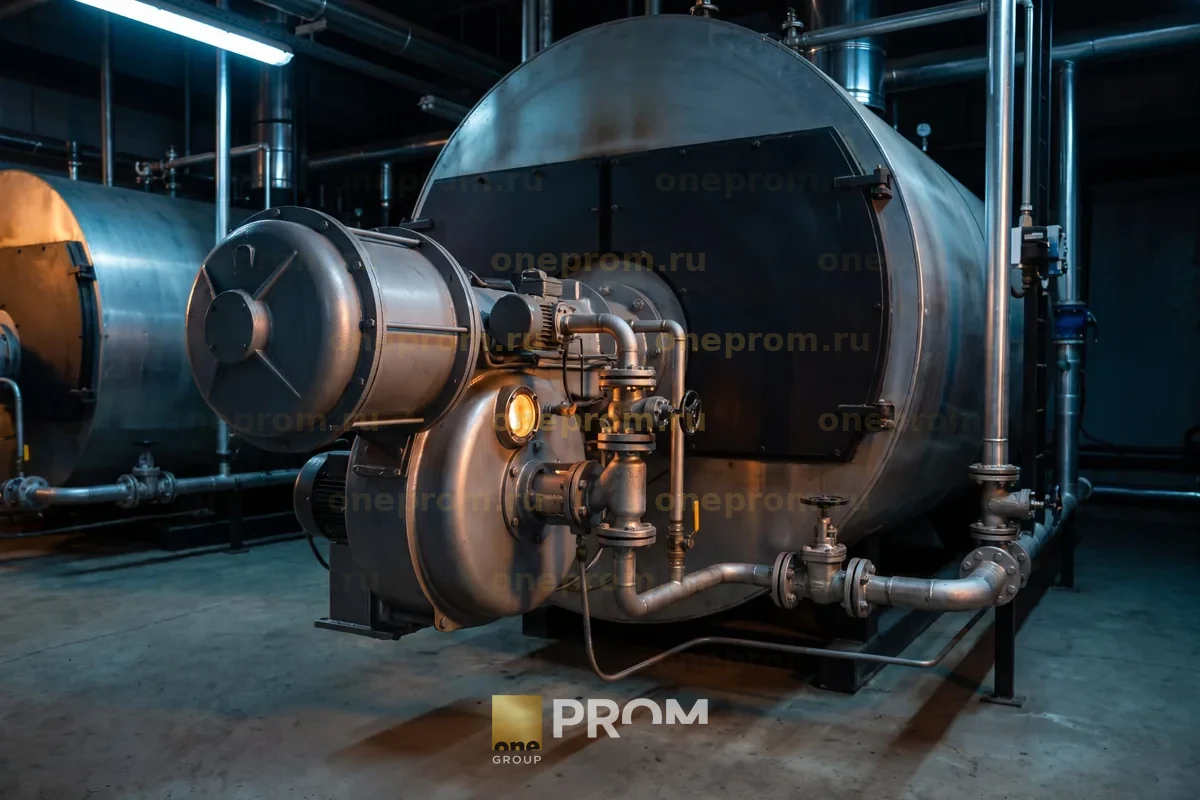
What NOx means
NOx mainly refers to nitrogen monoxide (NO) and nitrogen dioxide (NO₂) in flue gas. In a gas flame, high-temperature reactions are a major source. Fuel properties, oxygen availability and residence time also affect emissions; simply selecting a burner branded “Low NOx” does not guarantee a required stack concentration.
Low-NOx operating principle
Burner designers can stage fuel or combustion air, control mixing and flame temperature, and use internal or external flue-gas recirculation. These measures seek to suppress peak flame temperatures and local oxygen-rich zones while maintaining stable combustion across the load range.
Why starving the flame of air is unsafe
Cutting combustion air too far may increase carbon monoxide, soot and flame instability. Low NOx requires coordinated burner, furnace, air supply and safety-control settings. Evaluate NOx together with CO, oxygen, efficiency and safe flame supervision rather than optimising a single reading.
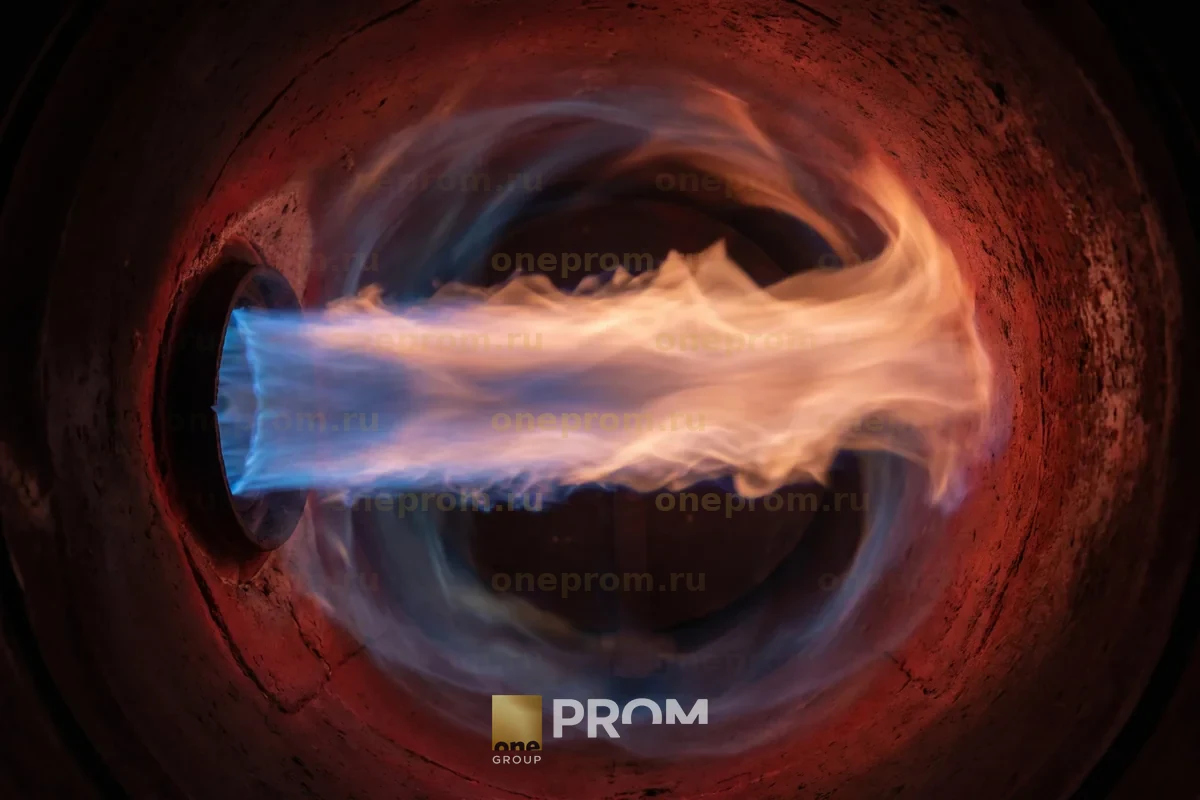
When it is worth considering
A Low-NOx solution is relevant when the project or operating permit establishes emissions limits, or when modernising an existing boiler. Compare the target at the specified reference conditions, fuel, load range, furnace back-pressure and practical maintenance implications.
Commissioning and measurement
Confirm burner capacity, furnace geometry, draught, gas pressure, operation at minimum load and the combustion-control interlocks. Measure emissions with calibrated instruments after commissioning and across representative operating points. The acceptance method should be defined before purchase.
Relevant standards
GOST 21204-97 covers general requirements for industrial gas burners within its stated scope. GOST R 50591-2013 concerns limiting NOx concentrations for specified gas-consuming thermal units and methods of determination. Applicable legal emission limits and project documentation take precedence over a marketing claim.
Data for an enquiry
Provide boiler model and capacity, furnace dimensions, fuel composition and pressure, existing burner curve, operating hours, minimum load, draught characteristics and permitted emission values with measurement conditions.
Verified standards and scope
Sources are official Rosstandart registry entries. Verify the current amendments and applicability to the particular project and jurisdiction.
Frequently asked questions
Principle and application?
Design and selection?
Can the illustration be used as an installation drawing?
Read next
Internal pontoon or external floating roof: comparison
An internal floating pontoon sits below a fixed roof; an external floating roof is exposed to rain and snow and needs drainage. Both reduce vapor space, but their engineering.
Reading time: 6 min
Axial, angular or lateral expansion joint: how to choose
An axial joint takes movement along the pipe, an angular joint permits controlled rotation, and a lateral joint takes transverse displacement. Anchors, guides and pressure.
Reading time: 6 min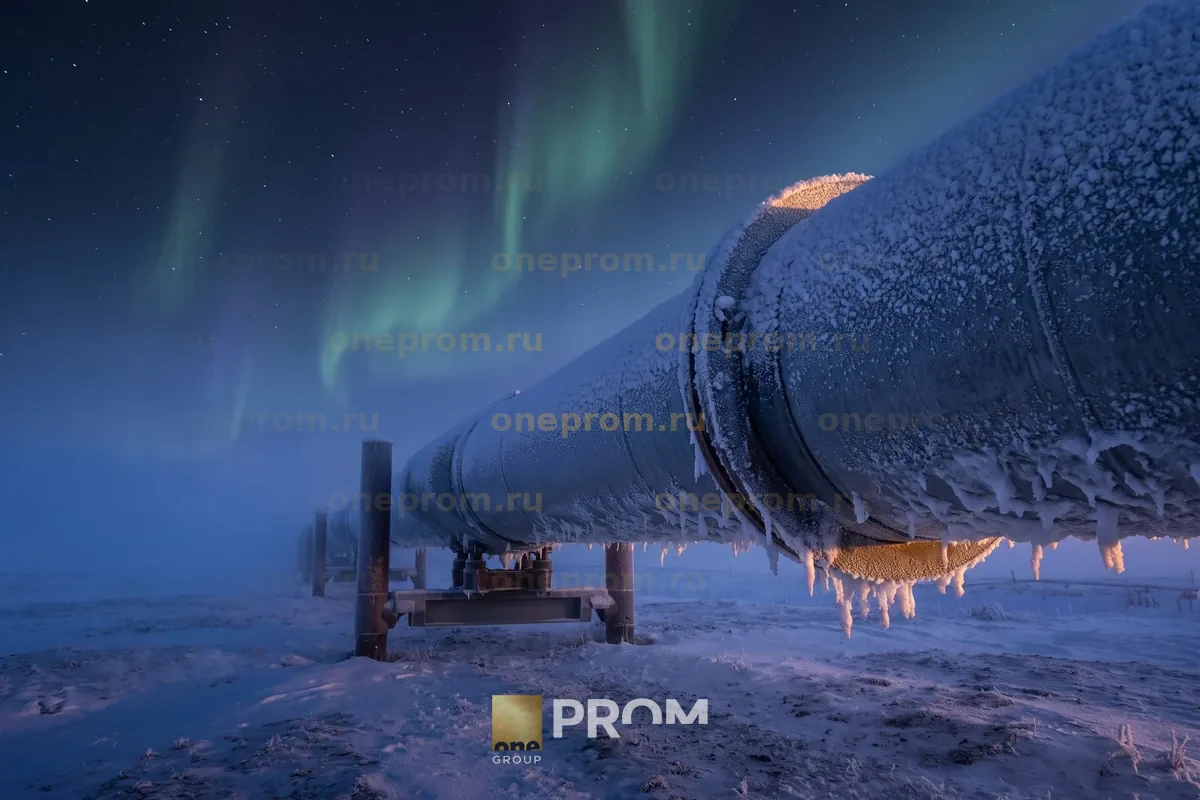
Metal at −50 °C: Cold Brittleness and Steels for the North
Why steel breaks like glass in frost, and how to choose metal for northern pipelines and equipment.
Reading time: 6 min
PSR Tank Sampler: How It Works and How to Choose
How to take a composite sample of a petroleum product across the full tank height without climbing onto the roof.
Reading time: 5 min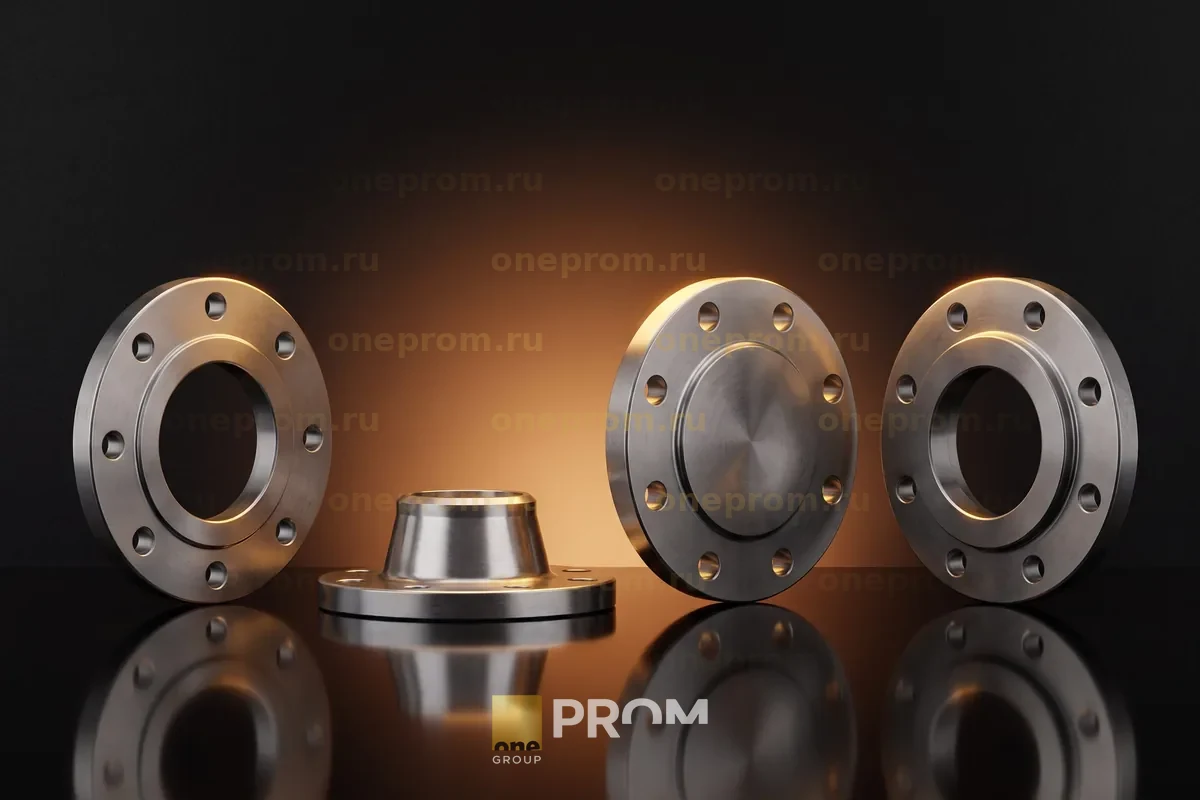
Flanges per GOST 33259: Types and Sealing Faces
Plate or weld neck, face B or tongue and groove: flange types and sealing faces explained.
Reading time: 6 min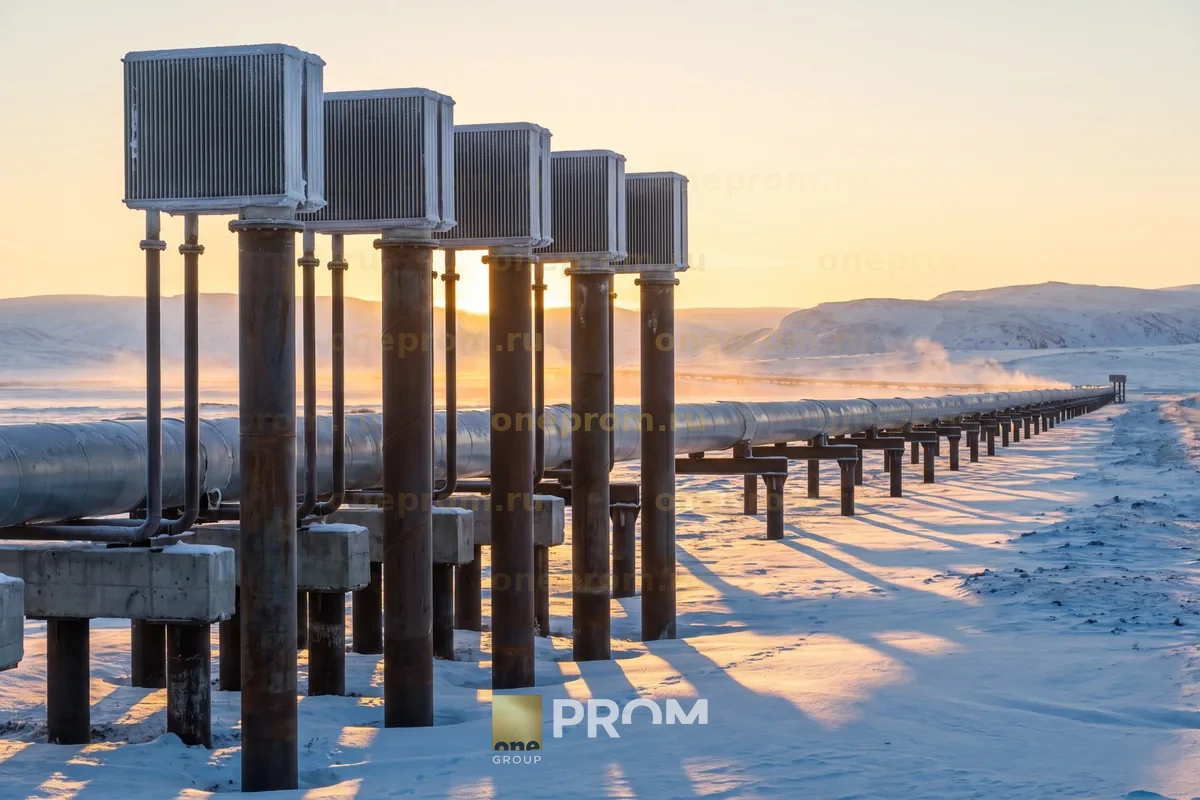
Ground thermosiphons: passive cooling without power
Passive thermosiphons transfer ground heat to cold outdoor air by evaporation and condensation. They operate mainly in winter; foundation design requires thermal calculations.
Reading time: 6 min
Two-Stage or Modulating Burner: Which to Choose
Stages, progressive and smooth control: how the output control method affects fuel consumption and boiler life.
Reading time: 5 min
Soft Fuel Tank for the North: How to Choose
Fabric, cold resistance, volume, fittings and site — what to check so a soft tank survives an Arctic winter.
Reading time: 6 min
Bellows Expansion Joint Installation: 7 Common Mistakes
Misalignment, forgotten shipping restraints, welding current through the convolutions and 4 more mistakes — plus a correct installation checklist.
Reading time: 6 min
Pipeline Identification Colors per GOST 14202: Cheat Sheet
Green for water, red for steam, yellow for gas. Identification colors, warning rings and painting rules.
Reading time: 5 min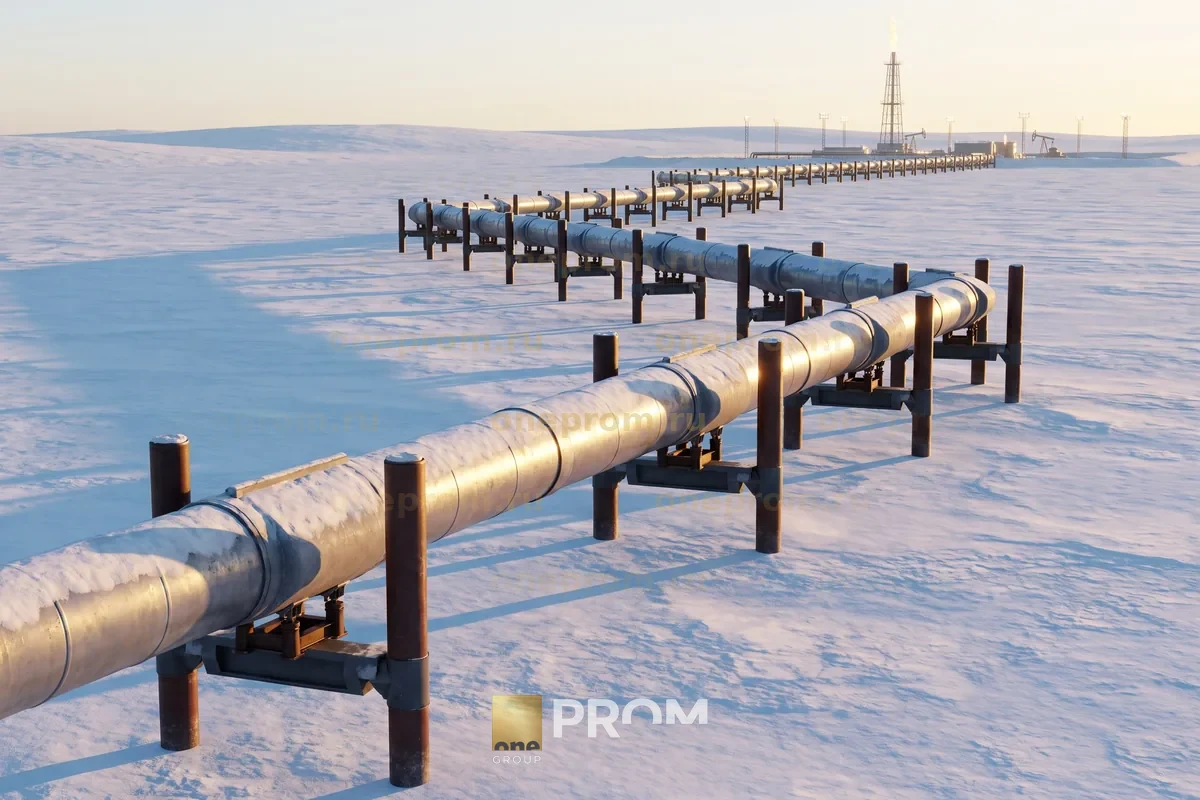
Pipelines on Permafrost: How They Are Built in the North
Why pipes in the North stand on supports, how thermosiphons work and how to compensate a range from −50 to +130 °C.
Reading time: 6 min
How to Size a Variable Frequency Drive
Why drives are sized by current, not kilowatts, normal and heavy duty, installation conditions and the options you need.
Reading time: 6 min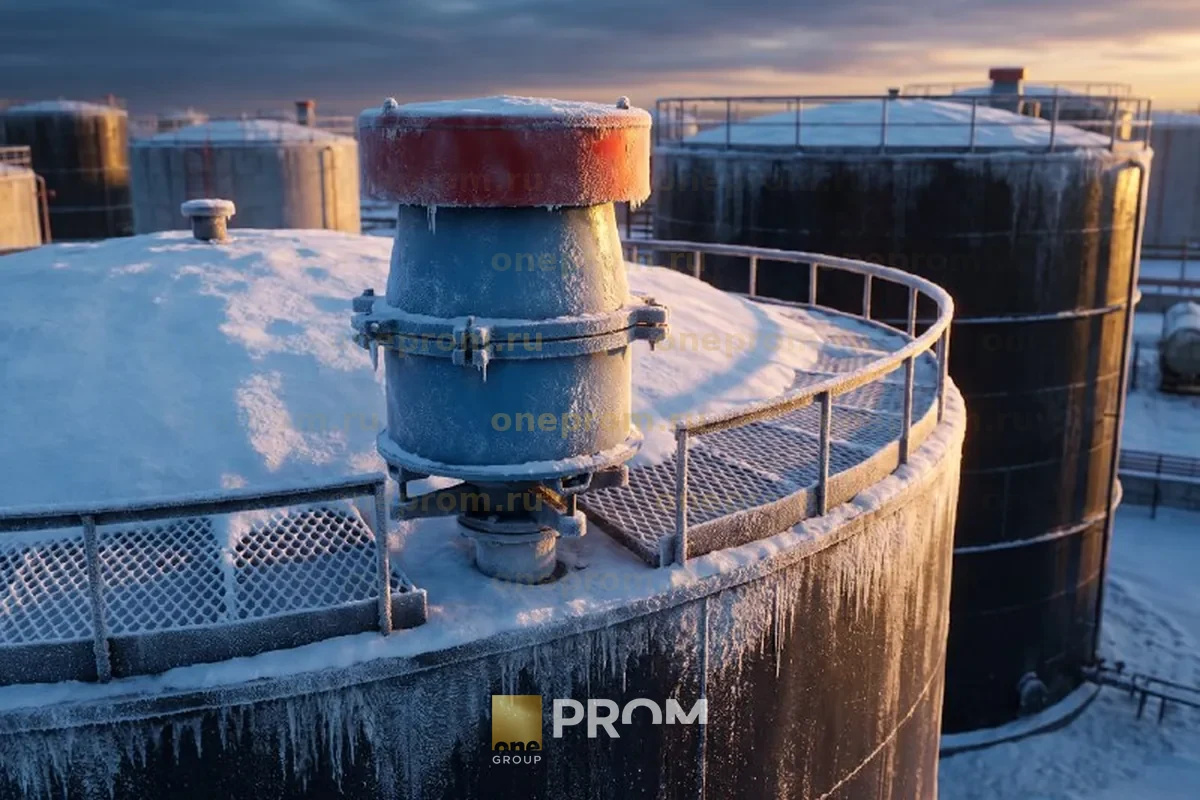
Tank Breather Valve: How It Works
Why a tank breathes, how the valve works, which types exist and how to choose by flow capacity.
Reading time: 5 min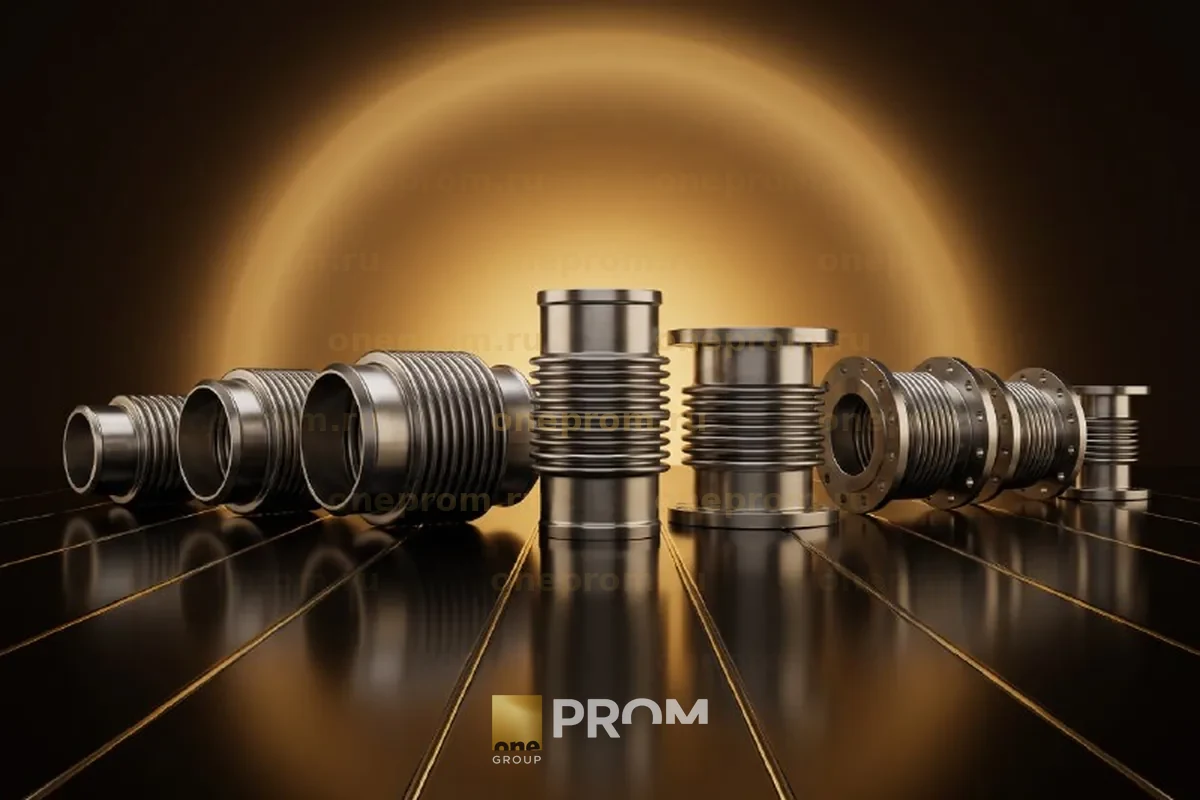
How to Choose a Bellows Expansion Joint: 7 Parameters
Type, diameter, pressure, movement, medium, end connection and cycle life — and what to send the supplier for accurate selection.
Reading time: 6 min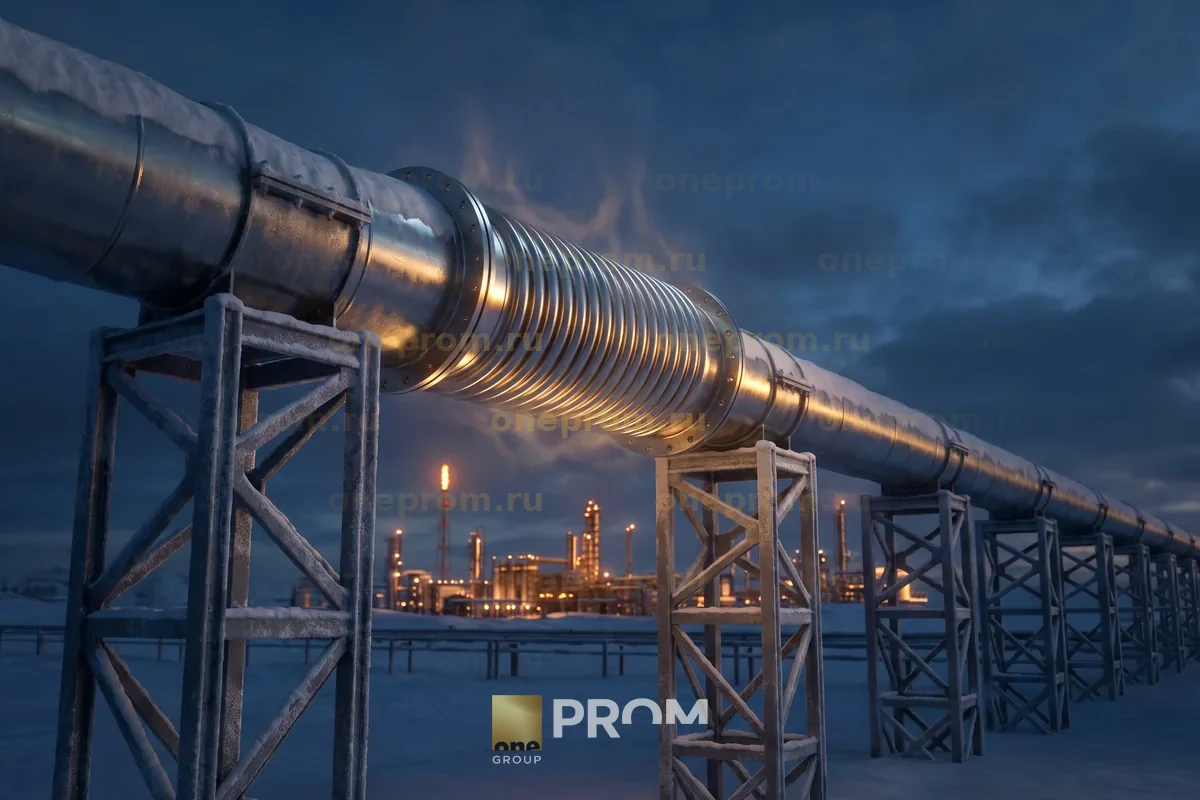
How to Calculate Thermal Expansion of a Pipeline
The ΔL = α·L·Δt formula, coefficients for different materials, a worked example and an online calculator for expansion joint movement.
Reading time: 6 min
Why Bellows Fail: 8 Causes of Expansion Joint Failure
Excessive movement, torsion, supports, corrosion, vibration and installation errors — plus a checklist to avoid them.
Reading time: 7 min
Variable Frequency Drive on a Pump: How Much It Saves
Why power drops with the cube of speed, a worked example and a savings and payback calculator.
Reading time: 6 min