

How burners control output
| Type | How it works | Where it is used |
|---|---|---|
| Single-stage | Full output or off | Small boilers with steady load |
| Two-stage | Two fixed outputs: low and high | Boiler houses with moderately varying load |
| Progressive | Two stages with a smooth transition between them | A compromise between staged and modulating |
| Modulating | Smoothly varies output within its range based on a sensor signal | Boiler houses with variable load, industry |
Two-stage: simple and reliable
At low load the burner runs on the first stage, at high load it adds the second. Advantages: simple controls, low price, easy commissioning. Drawback: output changes in steps — when the load lies between stages, the burner switches or shuts down often and the temperature fluctuates.
Modulating: precise and economical
A servomotor smoothly adjusts fuel and air, and a controller holds the set temperature or pressure. The key parameter is the turndown ratio, for example 1:3 or 1:5: the wider it is, the lower the load at which the burner still runs without stopping.
Advantages: fewer starts and stops, steady temperature, lower fuel consumption and longer boiler life. Drawbacks: higher price, more complex controls and skilled commissioning.

What to choose
- Load is nearly constant — a two-stage burner is enough.
- Load varies widely over the day and season — a modulating burner pays back through fuel savings and less wear.
- The process needs precise temperature or steam pressure — modulating.
- Strict emission limits — look at low-NOx burners; they come in both two-stage and modulating versions.
We will select a burner for your boiler, fuel and load profile.
Boiler equipmentFAQ
Does a modulating burner save fuel?
What does a 1:5 turndown ratio mean?
Can a two-stage burner be replaced with a modulating one?
How does a progressive burner differ from a modulating one?
Read next
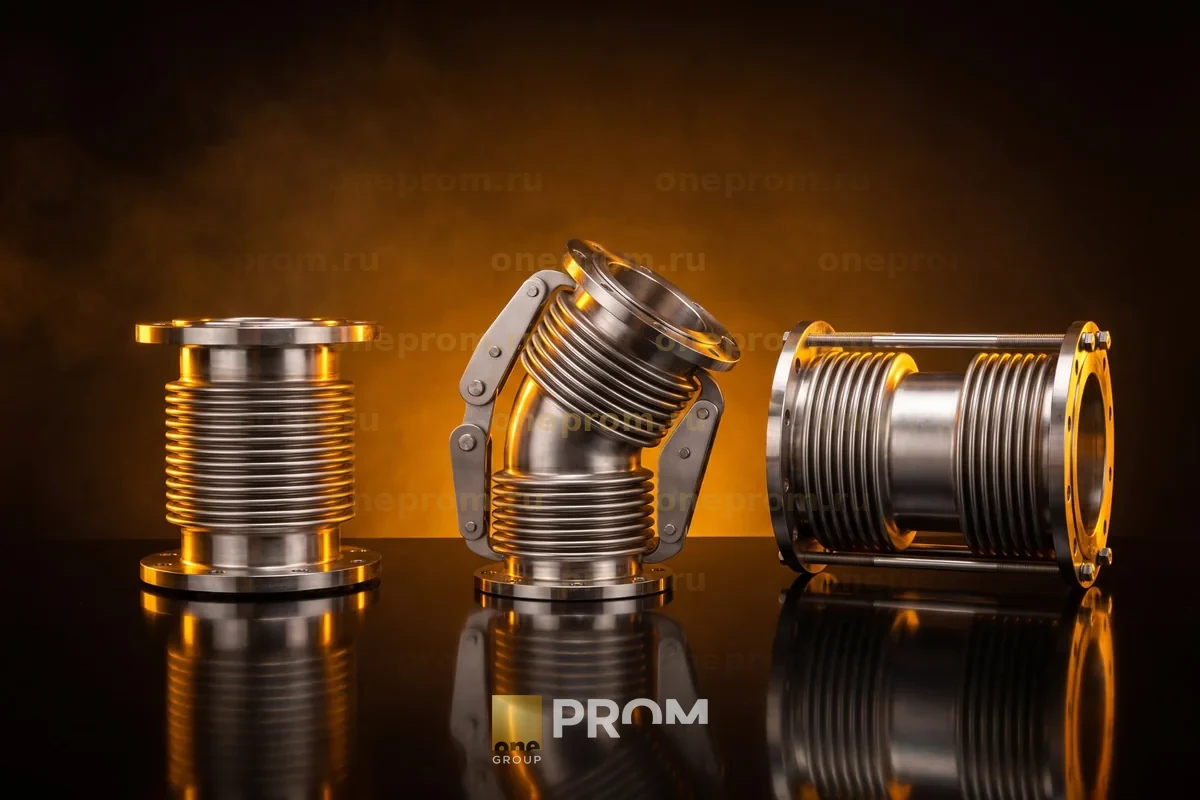
Axial, angular or lateral expansion joint: how to choose
An axial joint takes movement along the pipe, an angular joint permits controlled rotation, and a lateral joint takes transverse displacement. Anchors, guides and pressure.
Reading time: 6 min
Metal at −50 °C: Cold Brittleness and Steels for the North
Why steel breaks like glass in frost, and how to choose metal for northern pipelines and equipment.
Reading time: 6 min
PSR Tank Sampler: How It Works and How to Choose
How to take a composite sample of a petroleum product across the full tank height without climbing onto the roof.
Reading time: 5 min
Flanges per GOST 33259: Types and Sealing Faces
Plate or weld neck, face B or tongue and groove: flange types and sealing faces explained.
Reading time: 6 min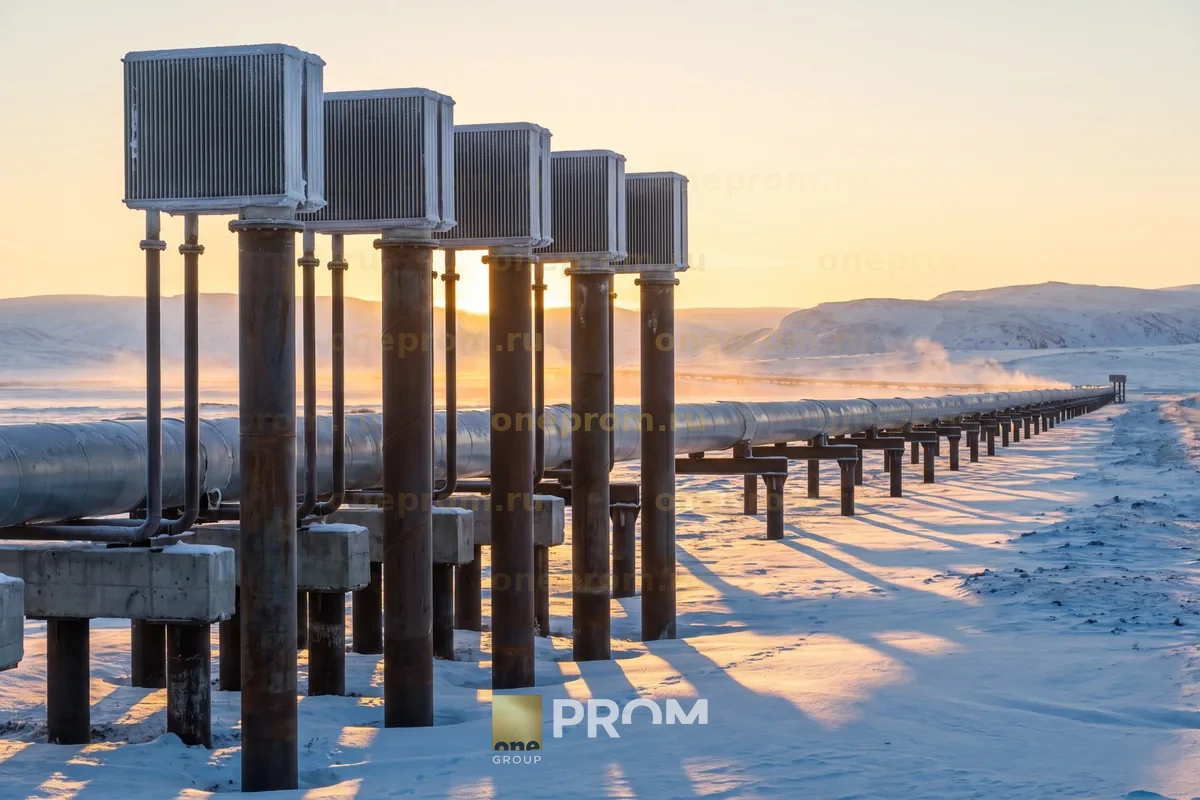
Ground thermosiphons: passive cooling without power
Passive thermosiphons transfer ground heat to cold outdoor air by evaporation and condensation. They operate mainly in winter; foundation design requires thermal calculations.
Reading time: 6 min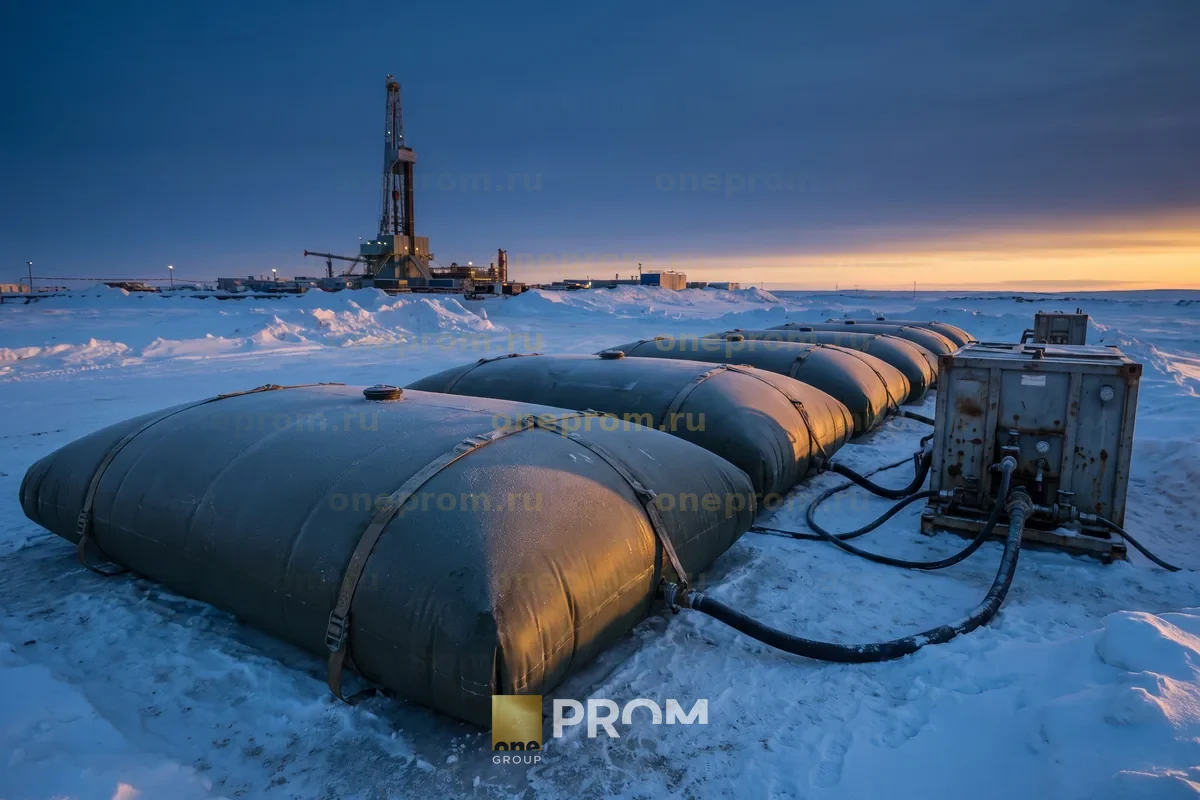
Soft Fuel Tank for the North: How to Choose
Fabric, cold resistance, volume, fittings and site — what to check so a soft tank survives an Arctic winter.
Reading time: 6 min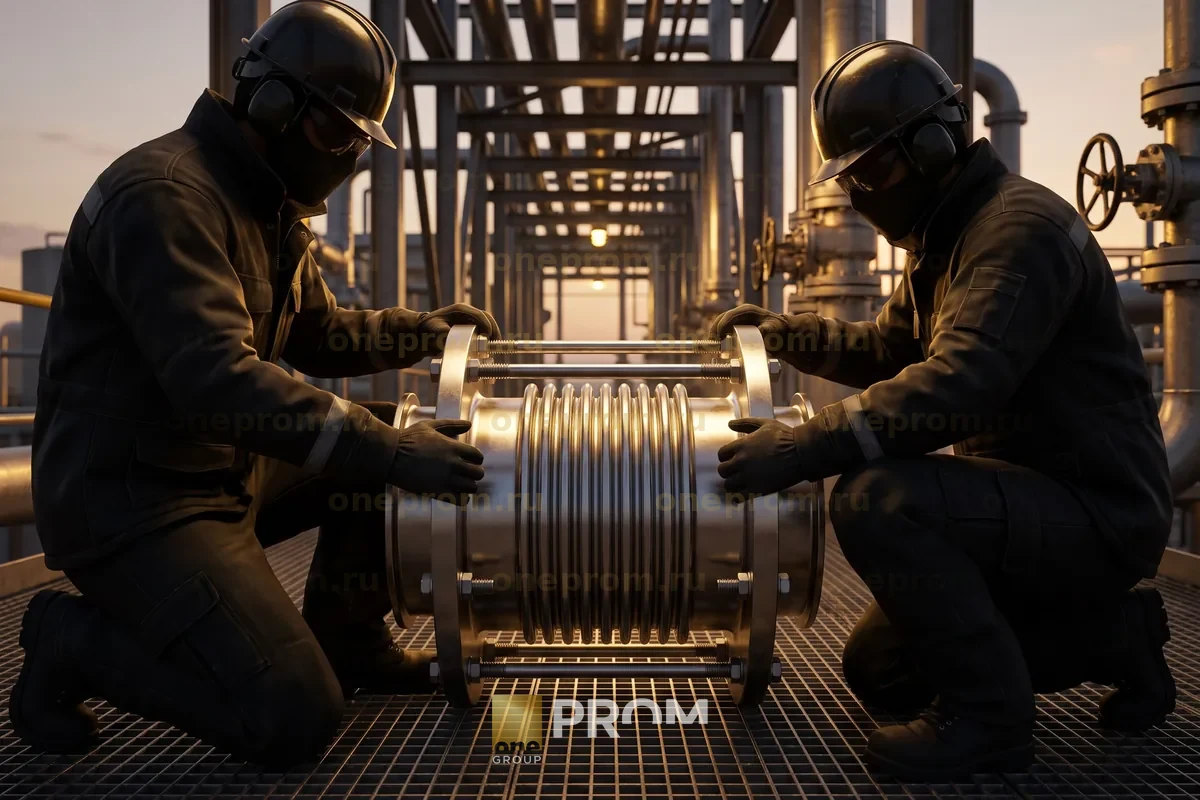
Bellows Expansion Joint Installation: 7 Common Mistakes
Misalignment, forgotten shipping restraints, welding current through the convolutions and 4 more mistakes — plus a correct installation checklist.
Reading time: 6 min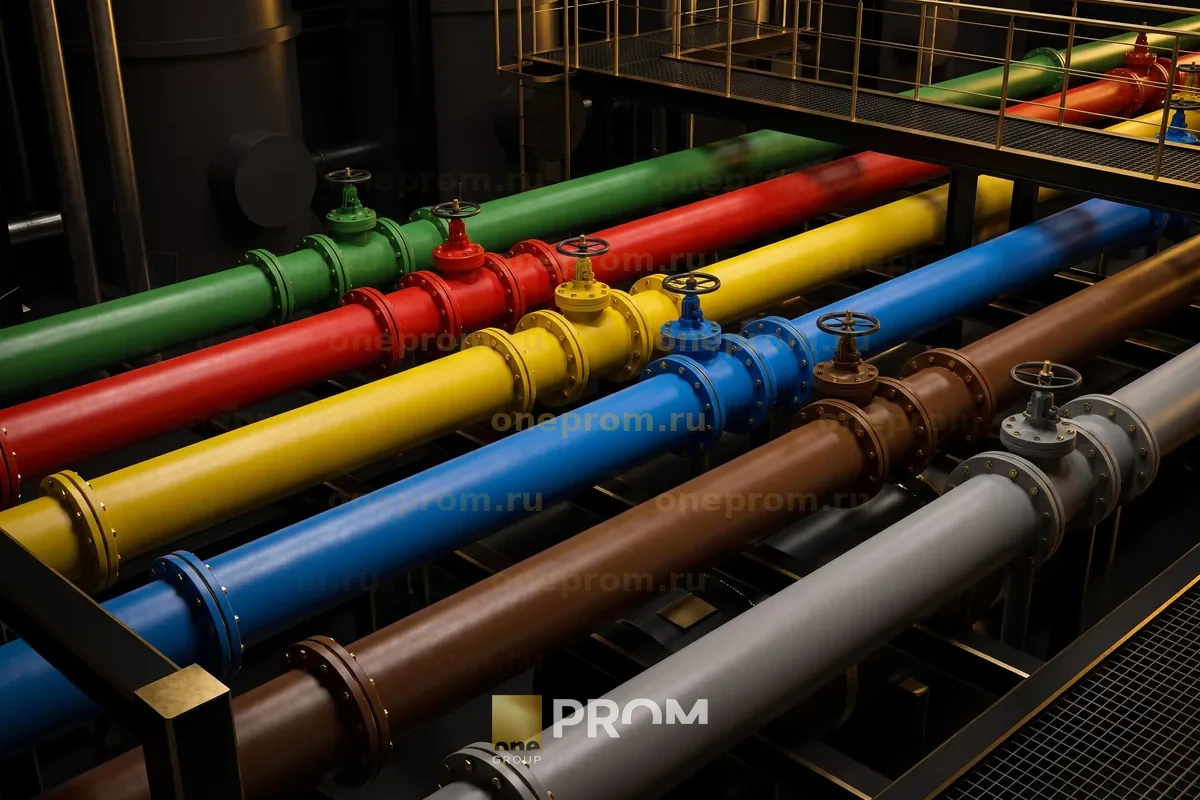
Pipeline Identification Colors per GOST 14202: Cheat Sheet
Green for water, red for steam, yellow for gas. Identification colors, warning rings and painting rules.
Reading time: 5 min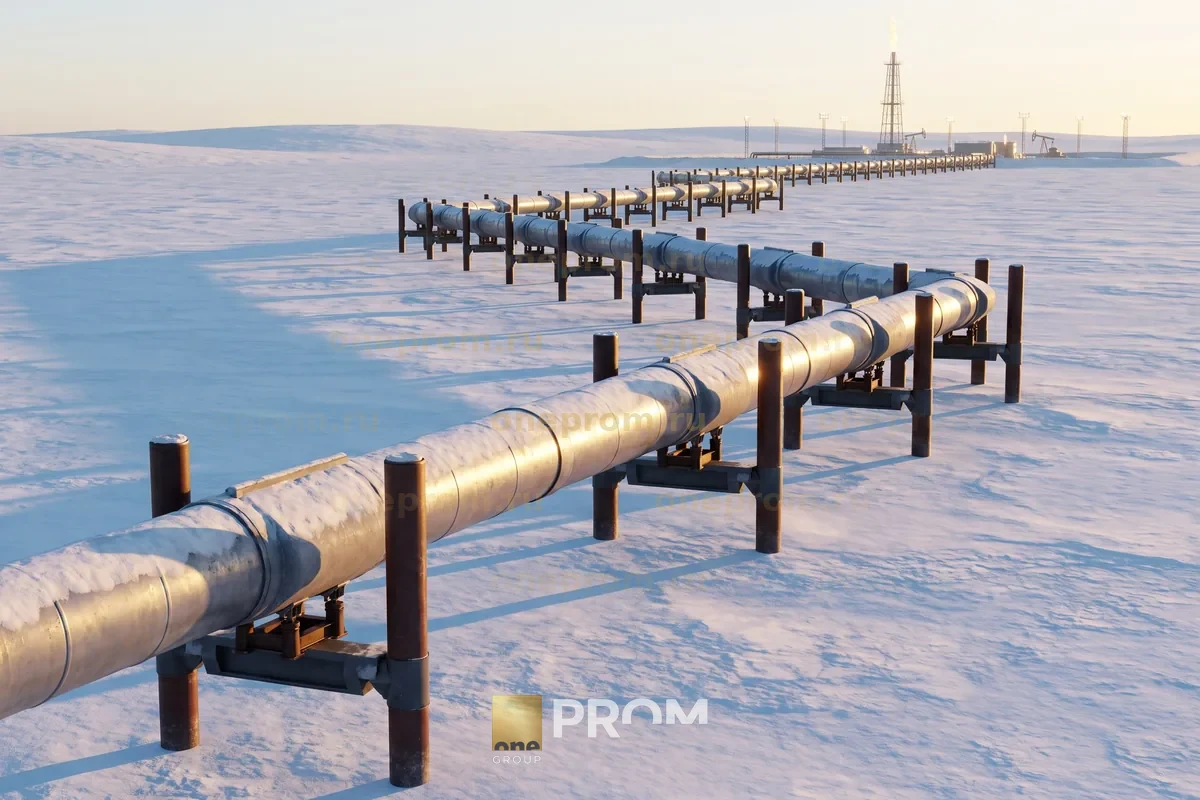
Pipelines on Permafrost: How They Are Built in the North
Why pipes in the North stand on supports, how thermosiphons work and how to compensate a range from −50 to +130 °C.
Reading time: 6 min
How to Size a Variable Frequency Drive
Why drives are sized by current, not kilowatts, normal and heavy duty, installation conditions and the options you need.
Reading time: 6 min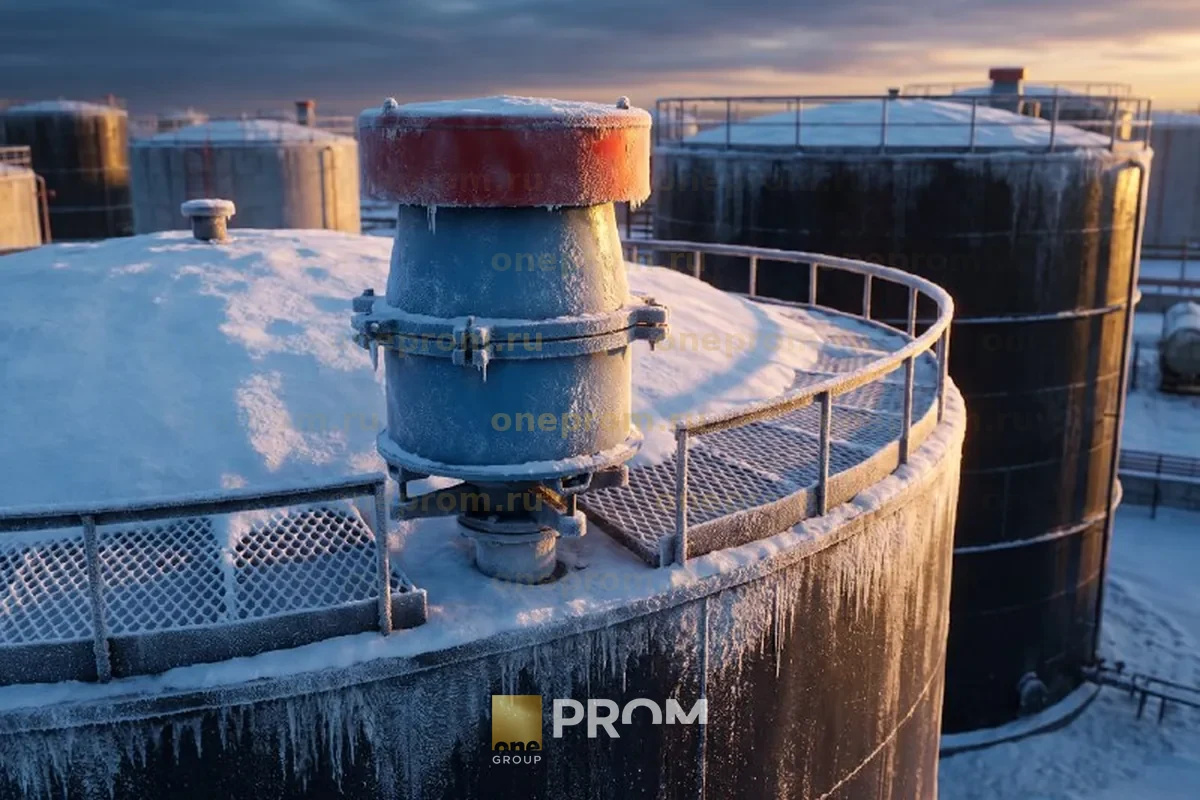
Tank Breather Valve: How It Works
Why a tank breathes, how the valve works, which types exist and how to choose by flow capacity.
Reading time: 5 min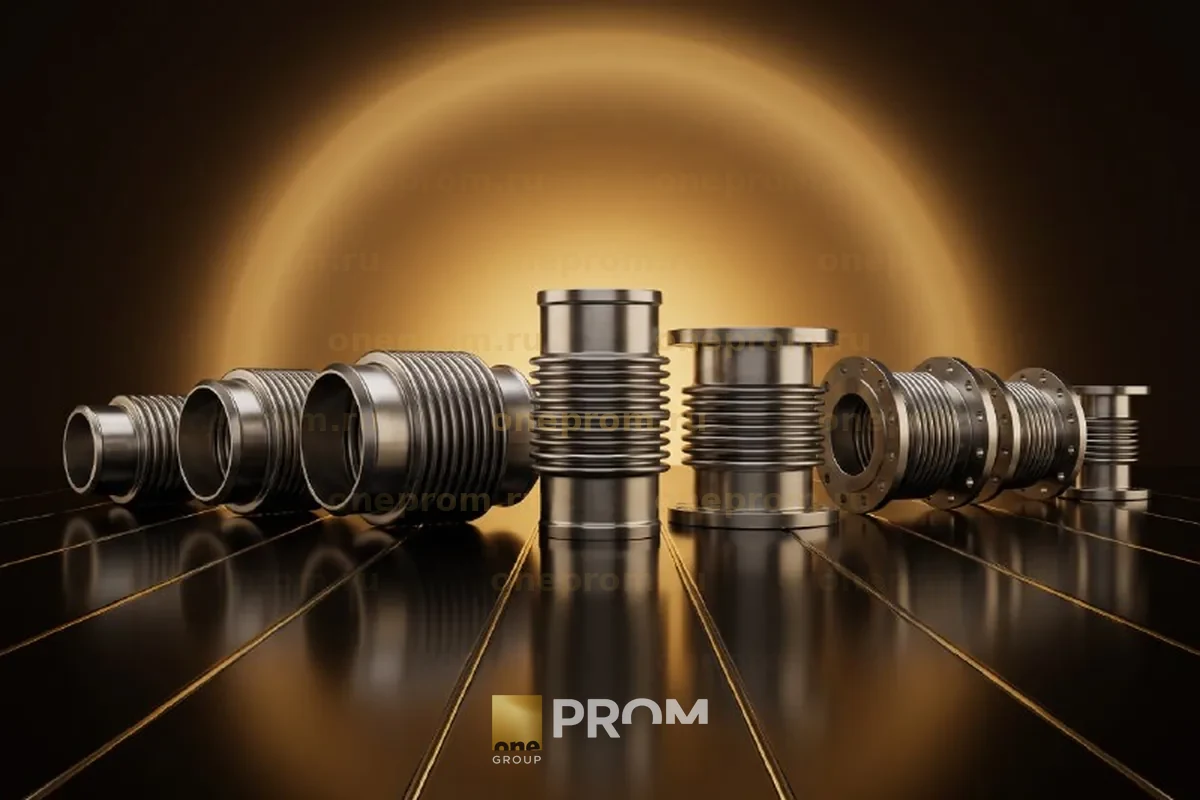
How to Choose a Bellows Expansion Joint: 7 Parameters
Type, diameter, pressure, movement, medium, end connection and cycle life — and what to send the supplier for accurate selection.
Reading time: 6 min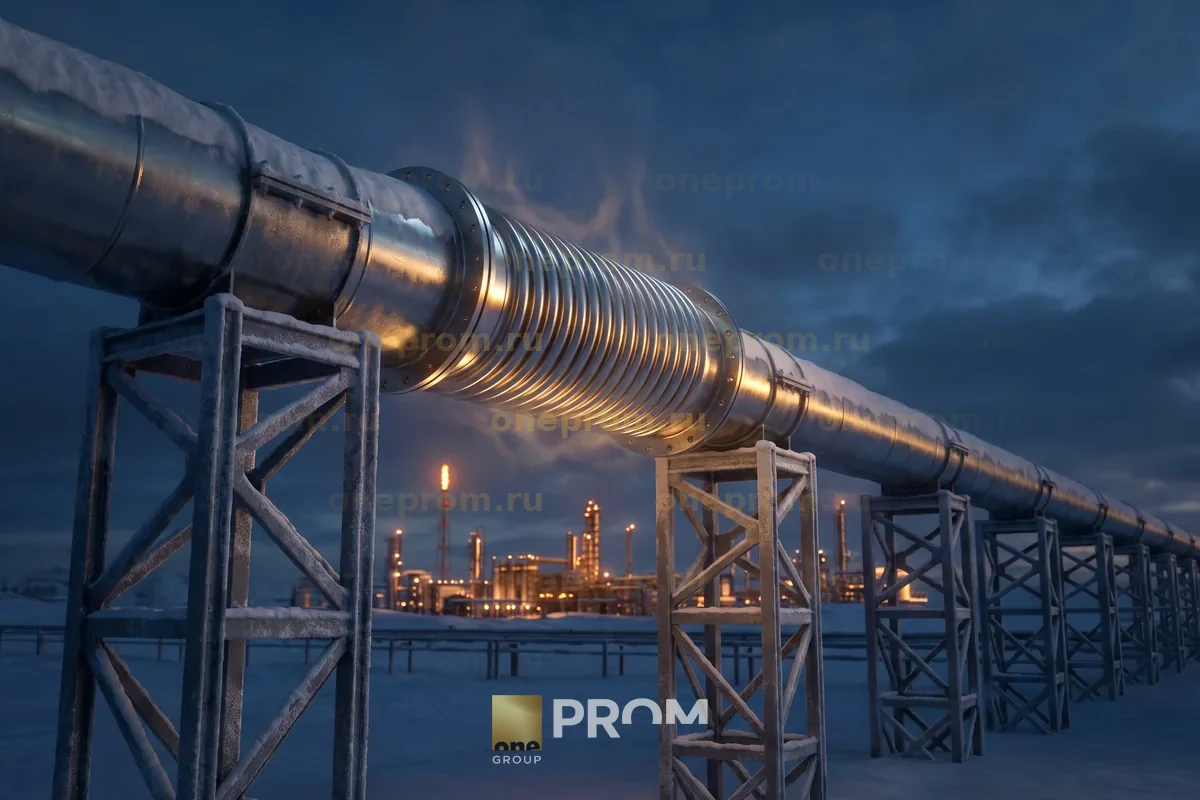
How to Calculate Thermal Expansion of a Pipeline
The ΔL = α·L·Δt formula, coefficients for different materials, a worked example and an online calculator for expansion joint movement.
Reading time: 6 min
Why Bellows Fail: 8 Causes of Expansion Joint Failure
Excessive movement, torsion, supports, corrosion, vibration and installation errors — plus a checklist to avoid them.
Reading time: 7 min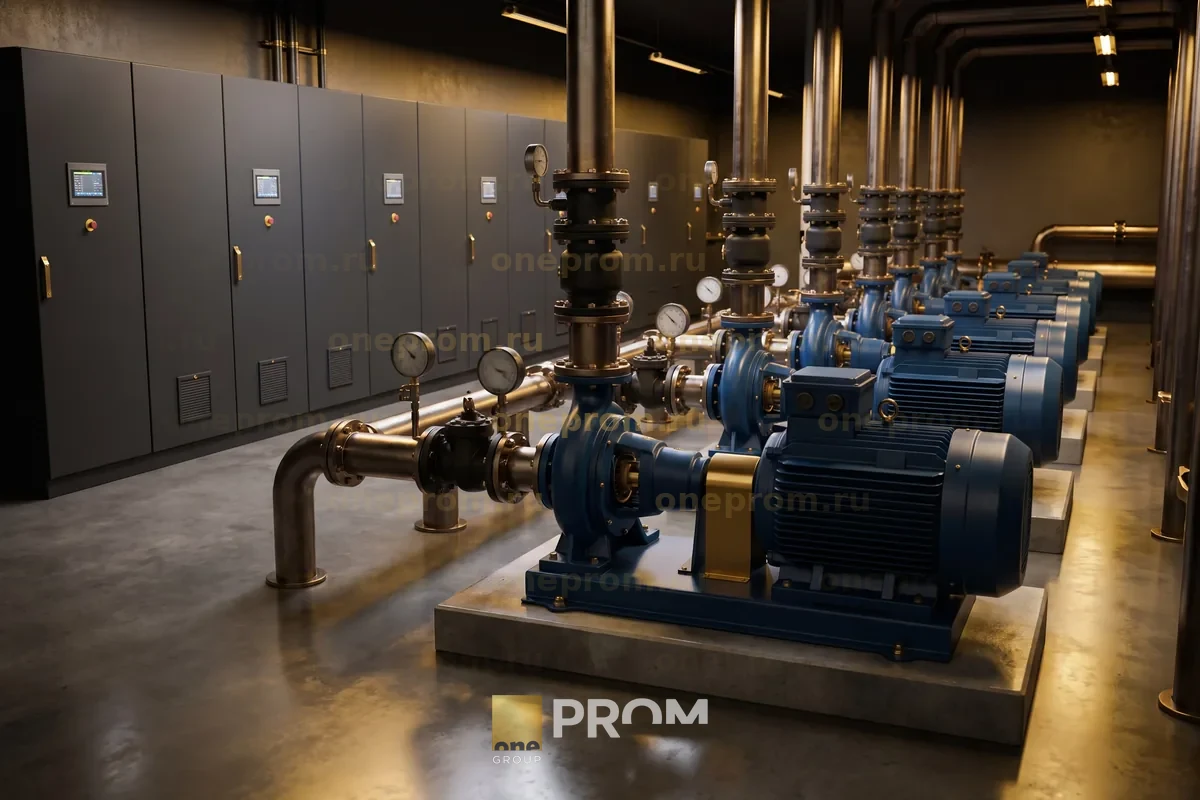
Variable Frequency Drive on a Pump: How Much It Saves
Why power drops with the cube of speed, a worked example and a savings and payback calculator.
Reading time: 6 min