
The problem
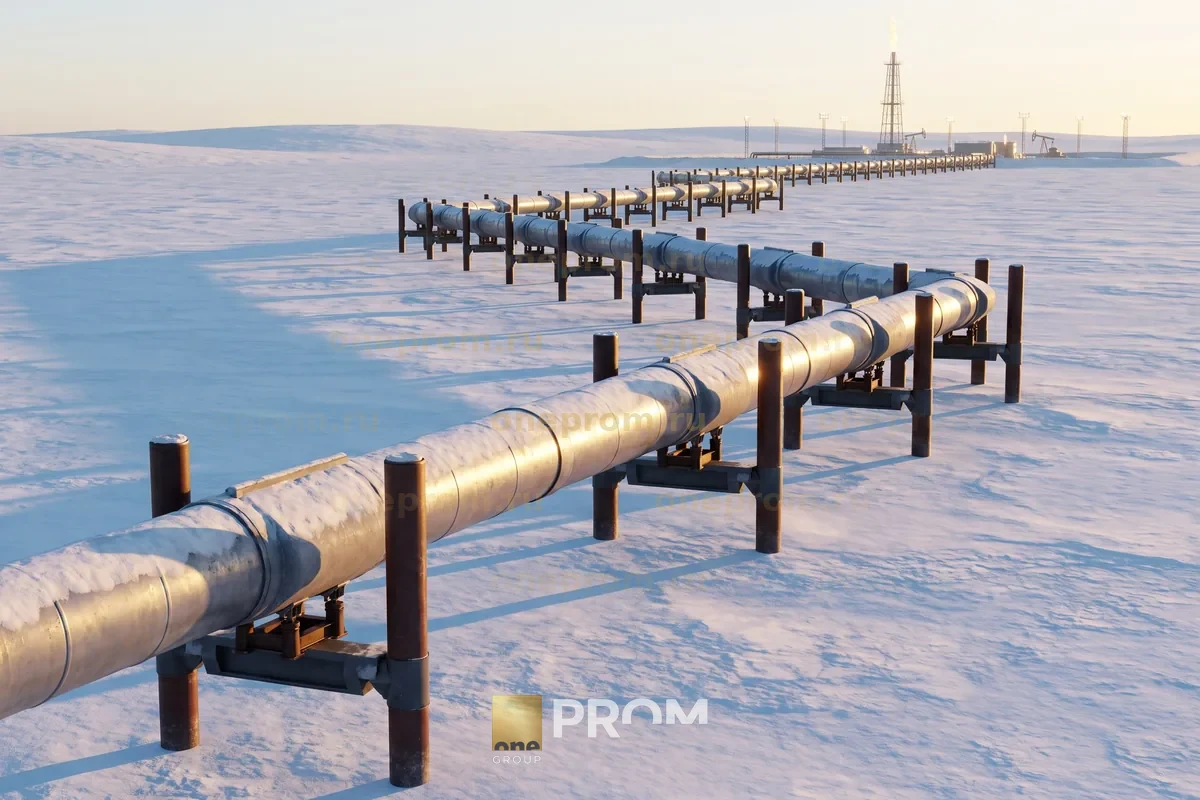
Permafrost is ground that stays frozen all year round. While frozen, it is strong. But if it is warmed, the ice in its pores melts, the ground turns into mud and settles.
A hot pipeline laid directly in the ground acts as a heater: a thaw zone forms under it, the pipe shifts, supports settle, and the welds take loads they were not designed for.
Two design principles
Construction on frozen ground follows one of two principles set out in the Russian code SP 25.13330 "Foundations on permafrost soils":
- Principle I — the foundation ground is kept frozen for the entire service life;
- Principle II — thawing is allowed, but its settlement is accounted for in advance.
For hot pipelines on frozen ground, the first principle is chosen most often — the ground is left undisturbed.
Why pipes are raised on supports
The most reliable way to preserve permafrost is to raise the pipe above the ground. A ventilated space remains between the pipe and the ground: heat goes into the air, not into the soil.
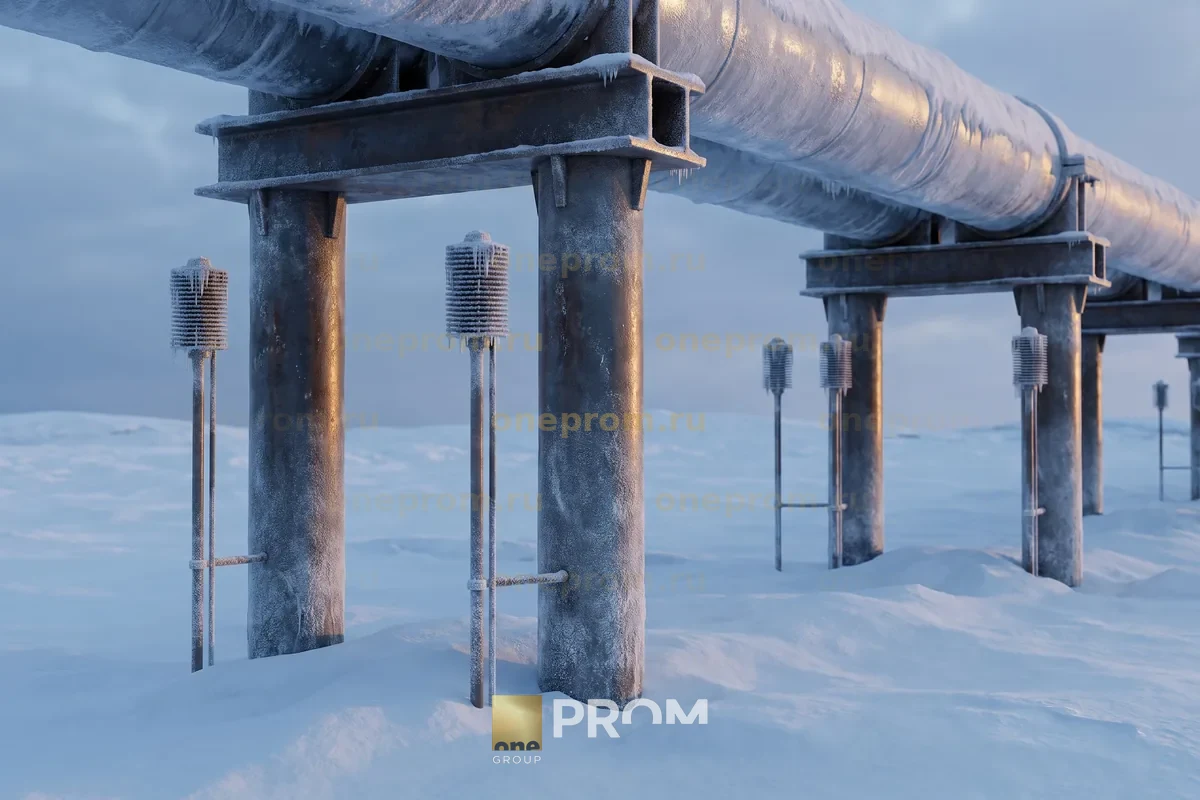
Supports stand on piles driven into the frozen ground below the layer that thaws in summer. Depth matters: in this layer, frost heave in winter tries to push the pile upward.
Ground thermosiphons
A thermosiphon is a sealed tube with a refrigerant: its lower part goes into the ground, and its finned upper part sits in the air. In winter the refrigerant evaporates at the bottom, rises and releases heat to the cold air, and the condensate flows back. This way the device pumps heat out of the ground all winter without electricity.
In summer, when the air is warmer than the ground, the thermosiphon switches itself off. On critical supports they are mounted directly on the piles.
Compensating temperature differences
A northern pipeline is installed in summer, may cool to −50 °C in winter, and the product inside may be hot. A difference of hundreds of degrees causes huge expansion that has to be absorbed:
- a zigzag route — the pipe follows a broken line, and expansion goes into the bends;
- U-loops and bellows expansion joints — where the route is straight;
- sliding supports on which the pipe moves freely.
You can calculate expansion for northern temperatures in our calculator.
We supply expansion joints, supports and valves for northern sites — designed for frosts down to −60 °C.
Expansion joints catalogueInsulation and heating
Pipelines carrying water and viscous products are protected from frost with thick thermal insulation and a protective jacket and are heated by heat tracing cable or a steam tracer. Materials and equipment are selected for frosts down to −60 °C: ordinary steel and seals become brittle at such temperatures.
Monitoring
Permafrost changes over time, so it is monitored: ground temperature is measured in thermometric boreholes, and surveyors check the position of the supports. If the ground under a support starts to thaw, it is visible in advance — before the pipe shifts.
FAQ
Why are pipes not buried in the North?
What is a ground thermosiphon?
Why are pipelines laid in a zigzag?
What steel is needed for Arctic pipelines?
Why is a pile error dangerous?
Read next

Axial, angular or lateral expansion joint: how to choose
An axial joint takes movement along the pipe, an angular joint permits controlled rotation, and a lateral joint takes transverse displacement. Anchors, guides and pressure.
Reading time: 6 min
Metal at −50 °C: Cold Brittleness and Steels for the North
Why steel breaks like glass in frost, and how to choose metal for northern pipelines and equipment.
Reading time: 6 min
PSR Tank Sampler: How It Works and How to Choose
How to take a composite sample of a petroleum product across the full tank height without climbing onto the roof.
Reading time: 5 min
Flanges per GOST 33259: Types and Sealing Faces
Plate or weld neck, face B or tongue and groove: flange types and sealing faces explained.
Reading time: 6 min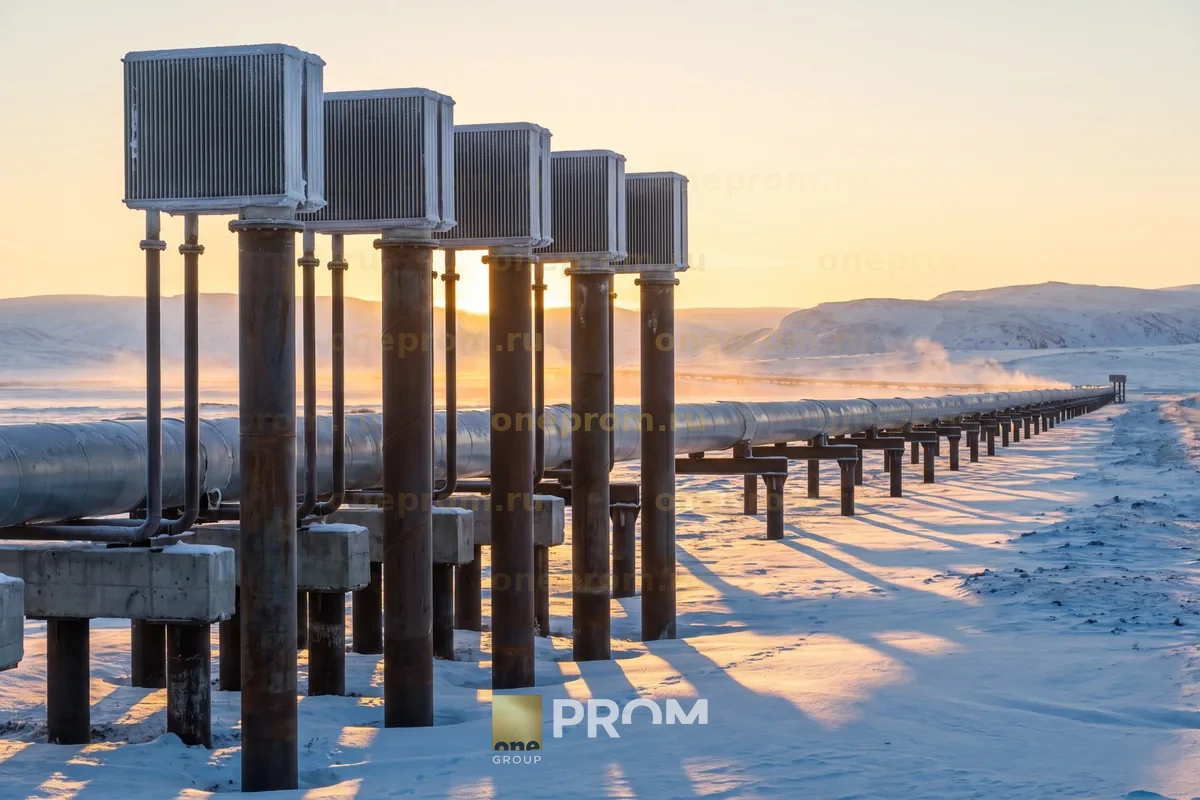
Ground thermosiphons: passive cooling without power
Passive thermosiphons transfer ground heat to cold outdoor air by evaporation and condensation. They operate mainly in winter; foundation design requires thermal calculations.
Reading time: 6 min
Two-Stage or Modulating Burner: Which to Choose
Stages, progressive and smooth control: how the output control method affects fuel consumption and boiler life.
Reading time: 5 min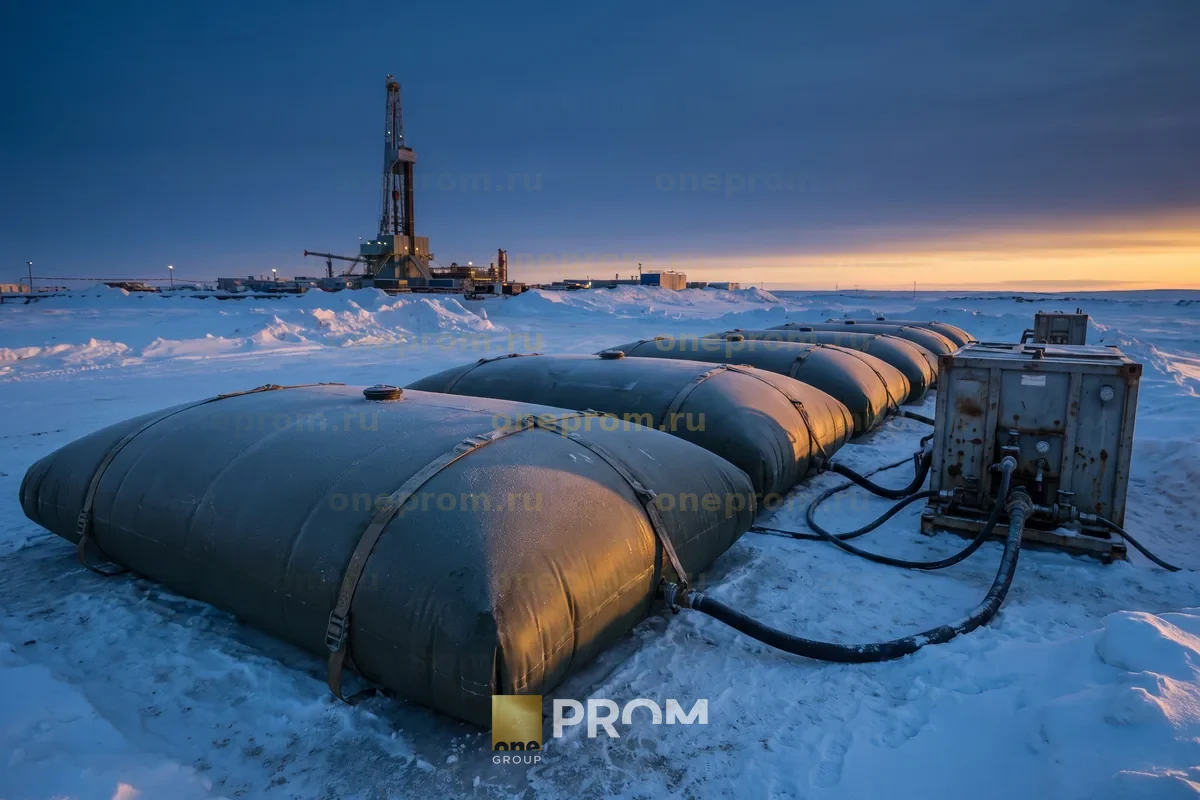
Soft Fuel Tank for the North: How to Choose
Fabric, cold resistance, volume, fittings and site — what to check so a soft tank survives an Arctic winter.
Reading time: 6 min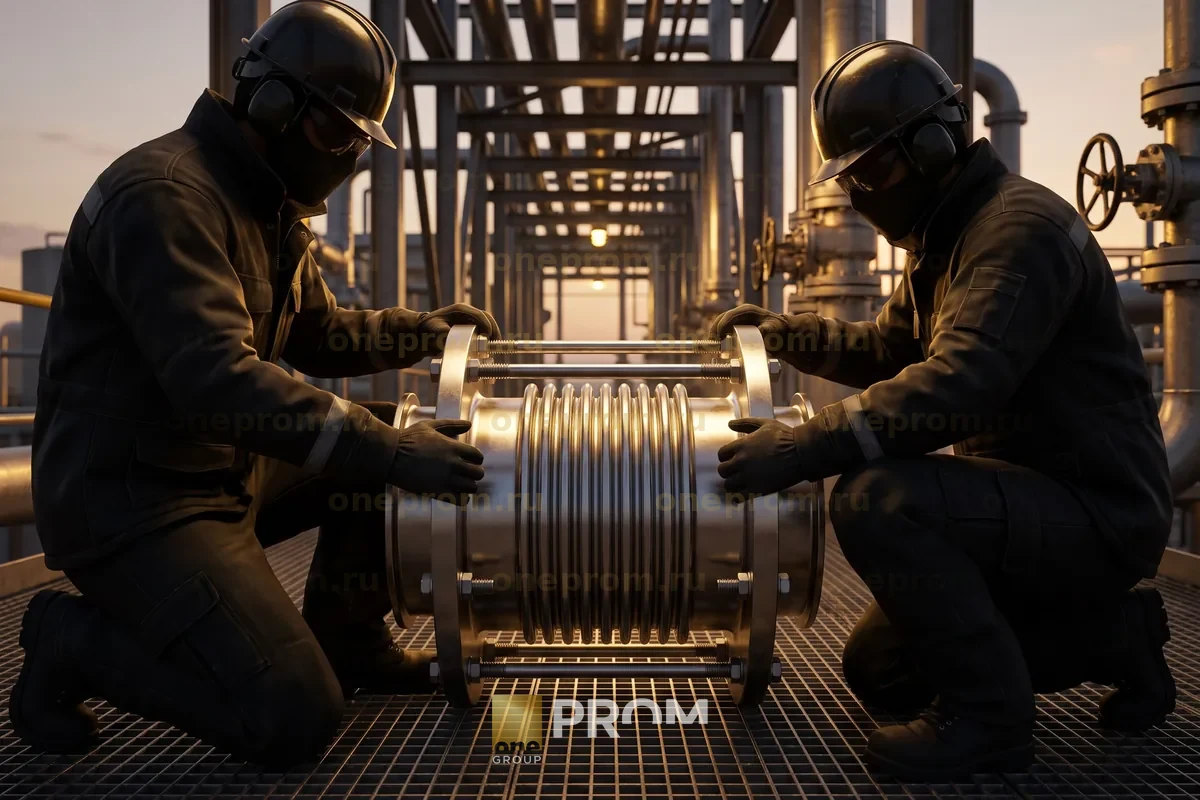
Bellows Expansion Joint Installation: 7 Common Mistakes
Misalignment, forgotten shipping restraints, welding current through the convolutions and 4 more mistakes — plus a correct installation checklist.
Reading time: 6 min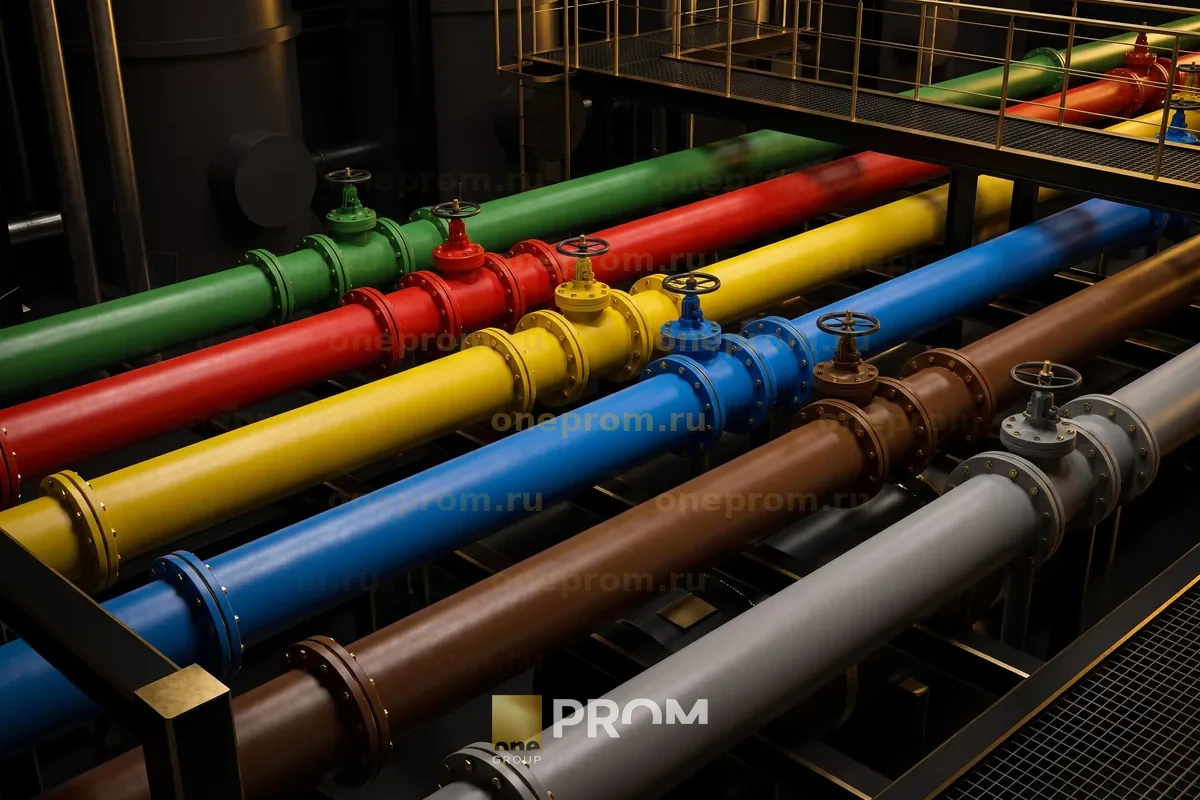
Pipeline Identification Colors per GOST 14202: Cheat Sheet
Green for water, red for steam, yellow for gas. Identification colors, warning rings and painting rules.
Reading time: 5 min
How to Size a Variable Frequency Drive
Why drives are sized by current, not kilowatts, normal and heavy duty, installation conditions and the options you need.
Reading time: 6 min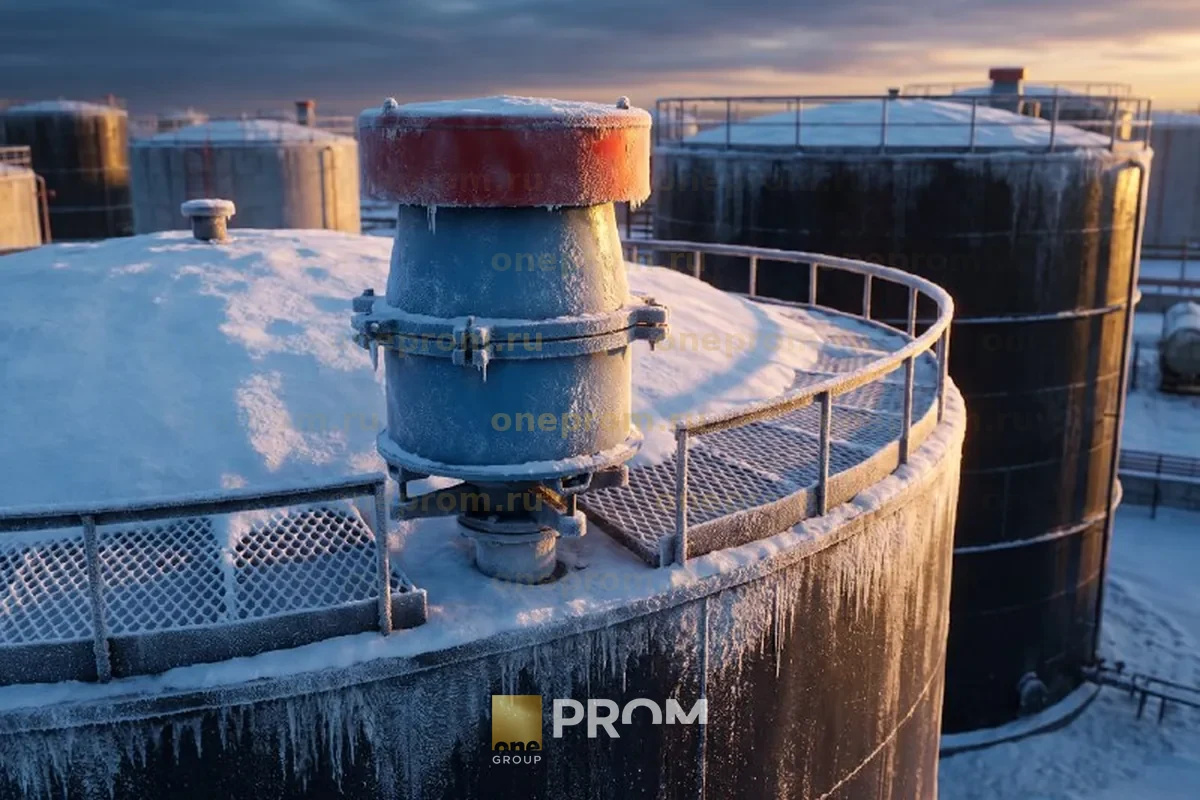
Tank Breather Valve: How It Works
Why a tank breathes, how the valve works, which types exist and how to choose by flow capacity.
Reading time: 5 min
How to Choose a Bellows Expansion Joint: 7 Parameters
Type, diameter, pressure, movement, medium, end connection and cycle life — and what to send the supplier for accurate selection.
Reading time: 6 min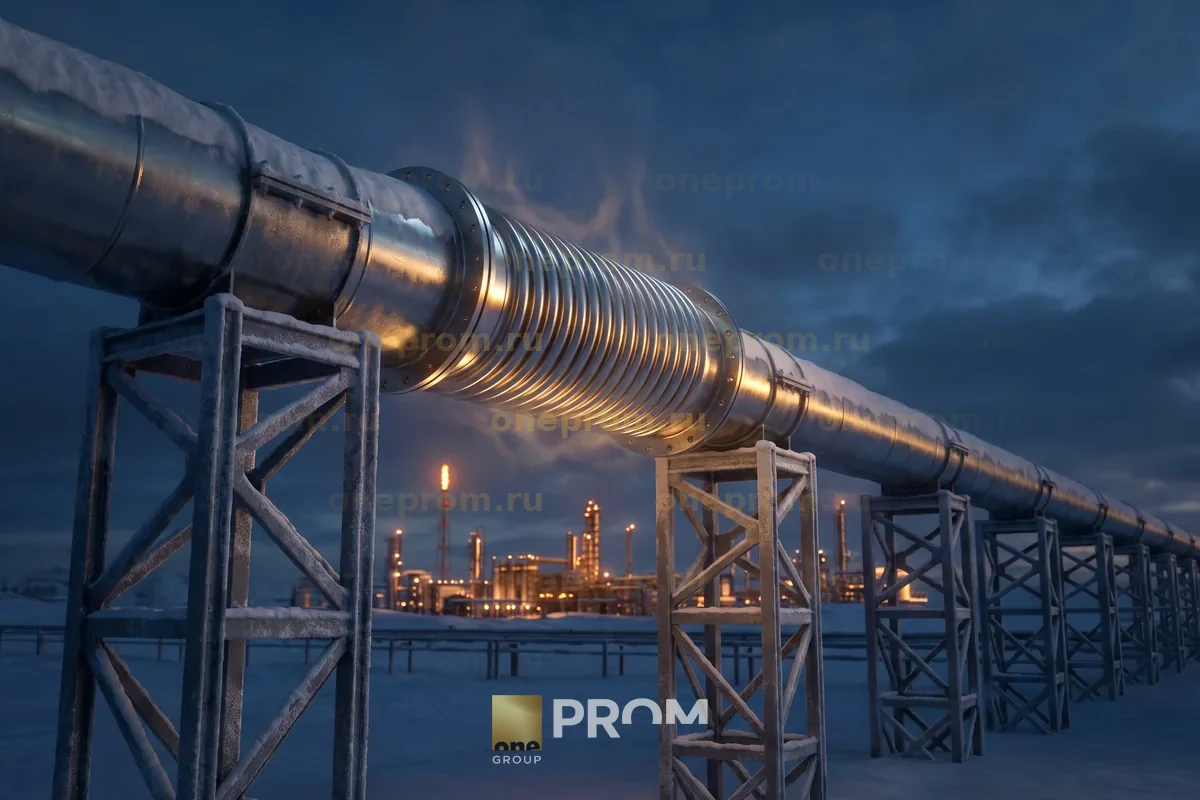
How to Calculate Thermal Expansion of a Pipeline
The ΔL = α·L·Δt formula, coefficients for different materials, a worked example and an online calculator for expansion joint movement.
Reading time: 6 min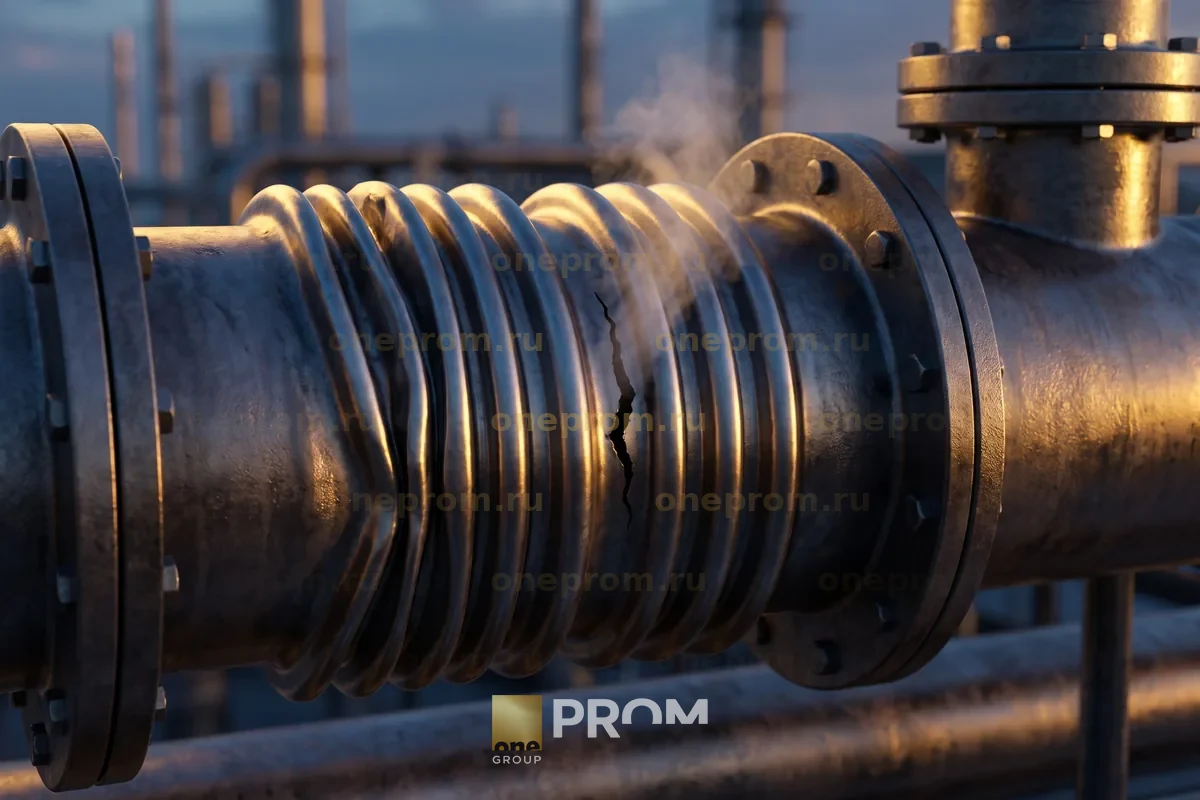
Why Bellows Fail: 8 Causes of Expansion Joint Failure
Excessive movement, torsion, supports, corrosion, vibration and installation errors — plus a checklist to avoid them.
Reading time: 7 min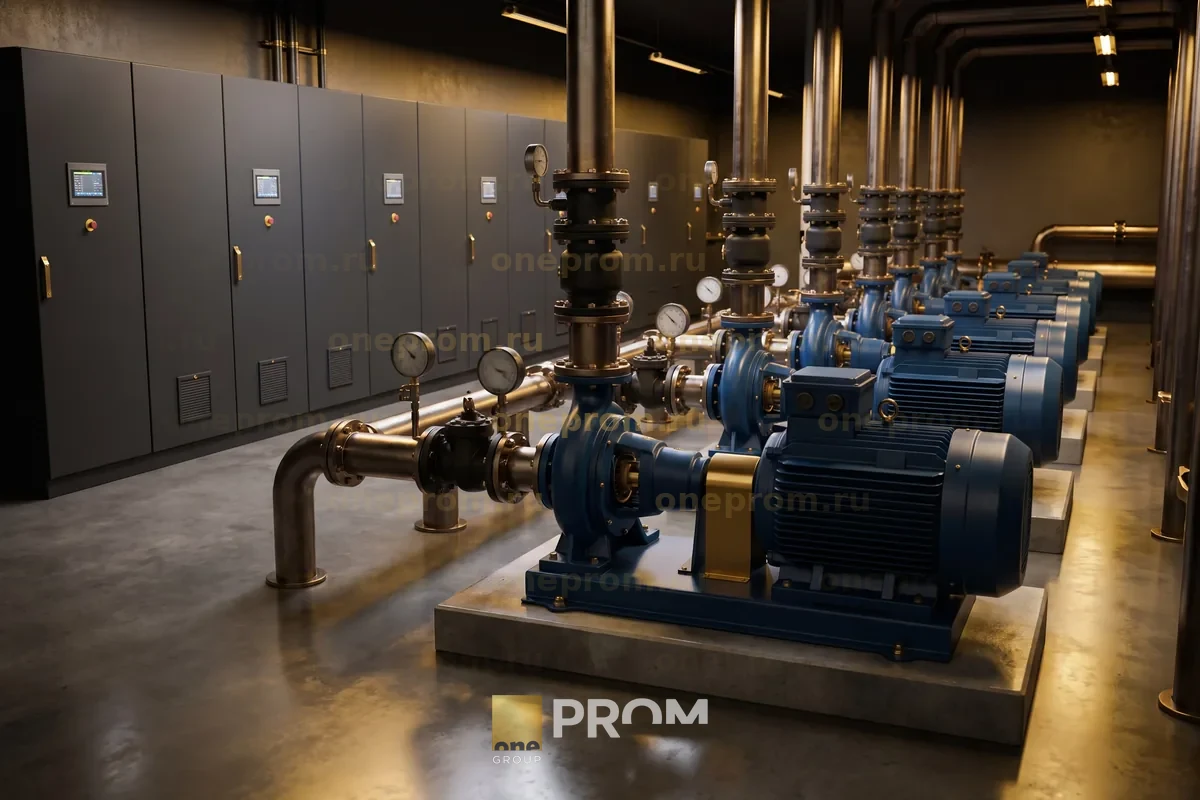
Variable Frequency Drive on a Pump: How Much It Saves
Why power drops with the cube of speed, a worked example and a savings and payback calculator.
Reading time: 6 min