
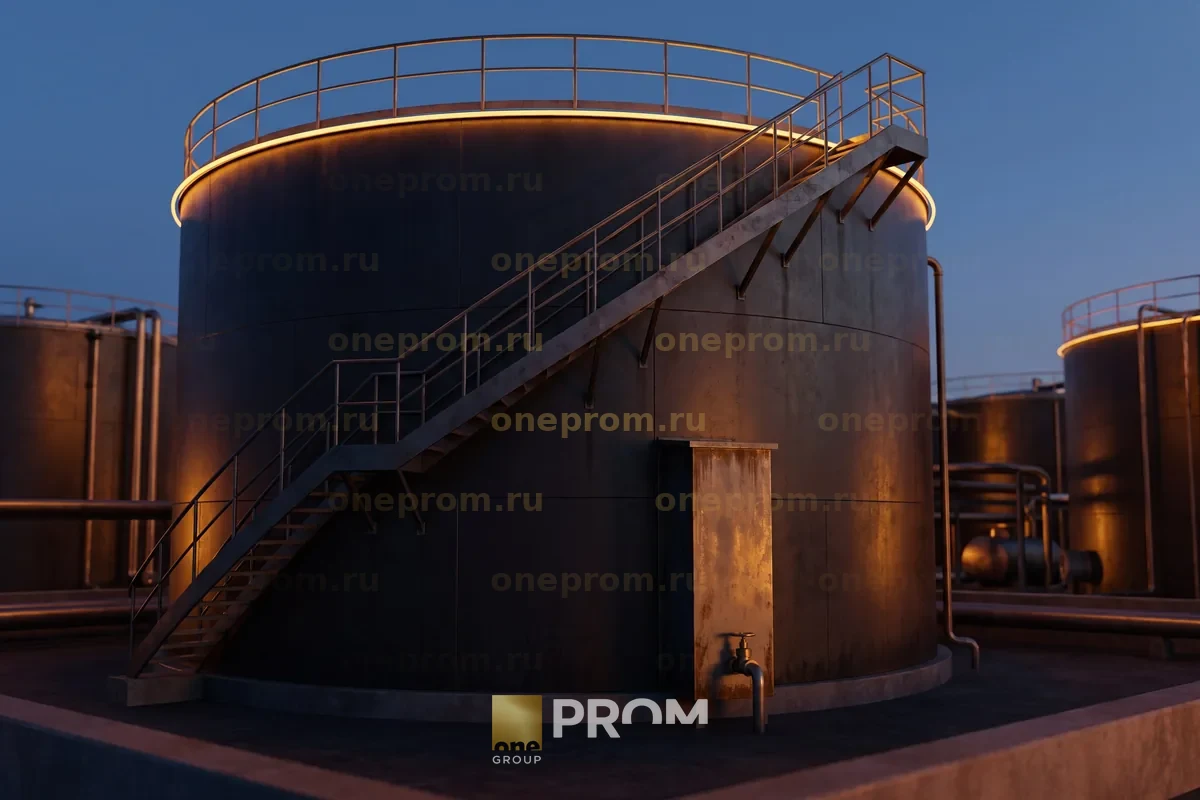
Why a stationary sampler is needed
The procedure for sampling crude oil and petroleum products in Russia and the CIS is set by GOST 2517. The product in a tank is not uniform by height: lighter at the top, while water and sediment may collect at the bottom. A composite sample from several levels is therefore required.
With a portable sampler it is taken through the roof hatch, lowered to different levels. This is slow and hazardous: climbing the stairs, working at an open hatch with vapours, and ice and wind in winter.
How the PSR works
A column with intake openings at several levels is installed inside the tank across its full height. During sampling, the column sections are closed off simultaneously, each retaining product from its own level. The whole sample is then drained through a valve at the tank base into a laboratory container.
This produces a composite sample across the full height within minutes — from the ground, without climbing onto the roof or opening the hatch.

Advantages
- Safety — the operator does not climb onto the roof or work at an open hatch.
- Accuracy — the sample is taken from all levels simultaneously, in the same way every time.
- Lower losses — the tank stays closed and vapours do not escape.
- Works in any weather — important for northern sites, where climbing the roof in winter is especially dangerous.
How to choose
- Tank height — determines column length and the number of sections.
- Product — crude oil, dark or light products; viscosity affects the design.
- Climate — in the North the drain assembly needs heating or insulation so the valve and sample do not freeze.
- Tank — roof type, presence of a pontoon, mounting points on the shell.
- Explosion protection — if the unit includes an electric drive or heating.
We will select a sampler for your tank, product and climate.
Tank equipmentFAQ
What is a composite sample?
Can a PSR be installed on an operating tank?
Does the sampler need heating?
Does a PSR replace sampling from the roof?
Read next

Axial, angular or lateral expansion joint: how to choose
An axial joint takes movement along the pipe, an angular joint permits controlled rotation, and a lateral joint takes transverse displacement. Anchors, guides and pressure.
Reading time: 6 min
Metal at −50 °C: Cold Brittleness and Steels for the North
Why steel breaks like glass in frost, and how to choose metal for northern pipelines and equipment.
Reading time: 6 min
Flanges per GOST 33259: Types and Sealing Faces
Plate or weld neck, face B or tongue and groove: flange types and sealing faces explained.
Reading time: 6 min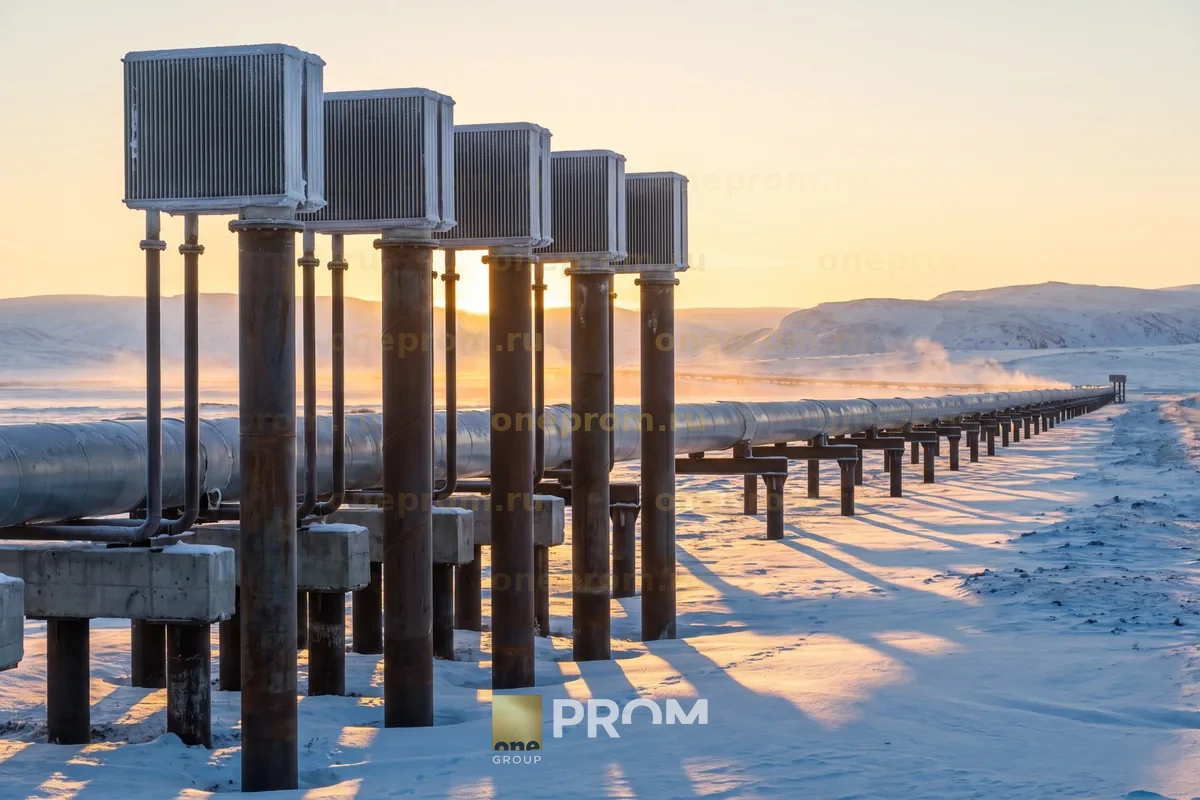
Ground thermosiphons: passive cooling without power
Passive thermosiphons transfer ground heat to cold outdoor air by evaporation and condensation. They operate mainly in winter; foundation design requires thermal calculations.
Reading time: 6 min
Two-Stage or Modulating Burner: Which to Choose
Stages, progressive and smooth control: how the output control method affects fuel consumption and boiler life.
Reading time: 5 min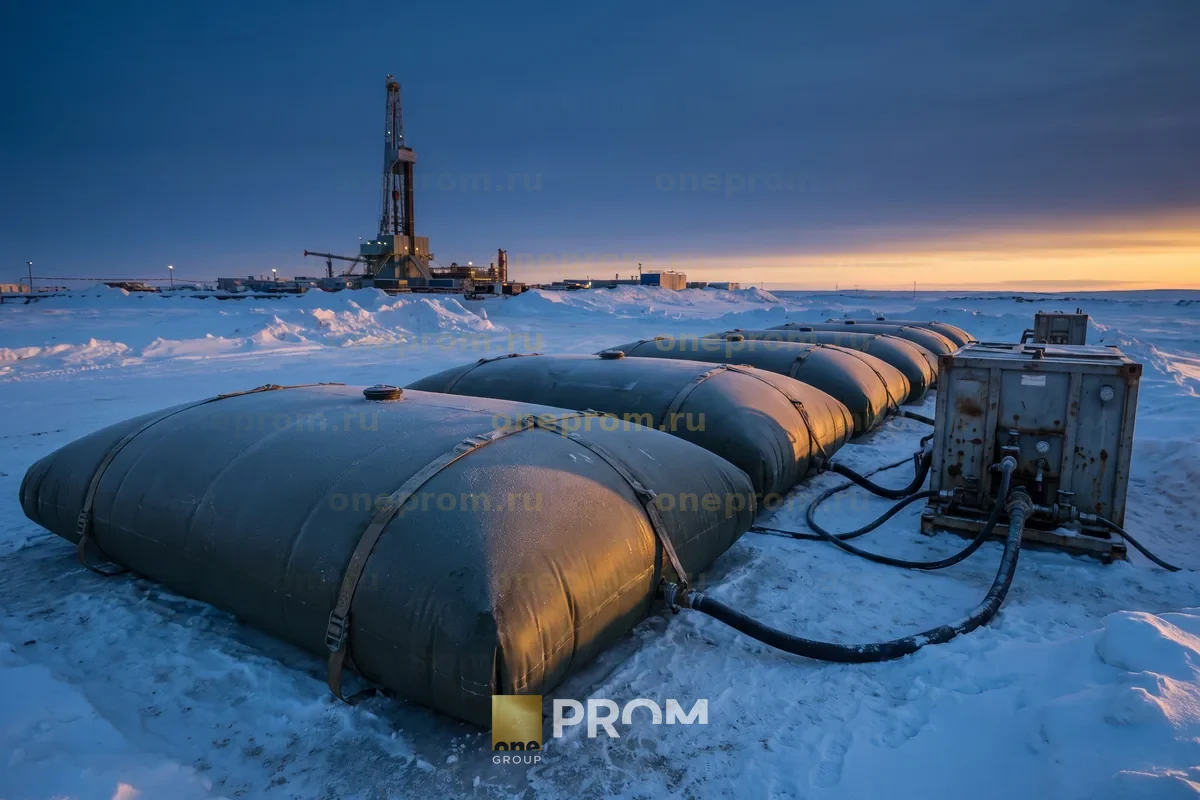
Soft Fuel Tank for the North: How to Choose
Fabric, cold resistance, volume, fittings and site — what to check so a soft tank survives an Arctic winter.
Reading time: 6 min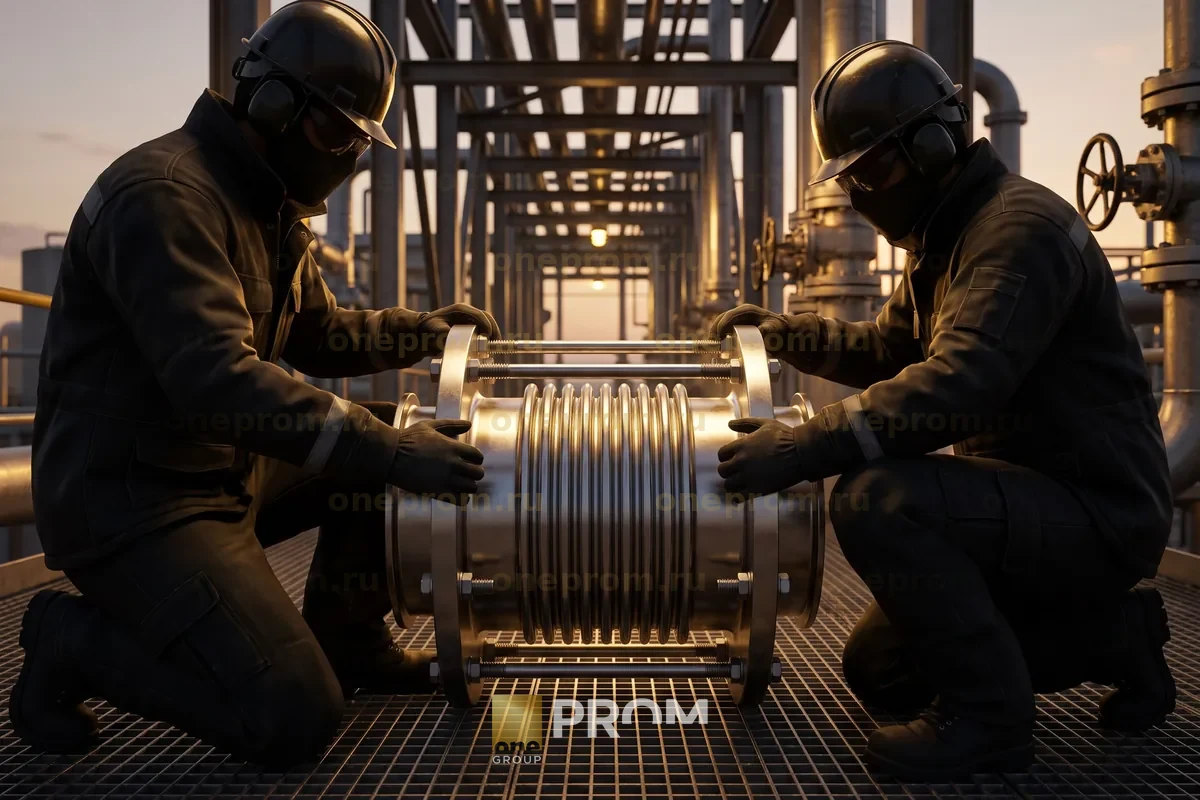
Bellows Expansion Joint Installation: 7 Common Mistakes
Misalignment, forgotten shipping restraints, welding current through the convolutions and 4 more mistakes — plus a correct installation checklist.
Reading time: 6 min
Pipeline Identification Colors per GOST 14202: Cheat Sheet
Green for water, red for steam, yellow for gas. Identification colors, warning rings and painting rules.
Reading time: 5 min
Pipelines on Permafrost: How They Are Built in the North
Why pipes in the North stand on supports, how thermosiphons work and how to compensate a range from −50 to +130 °C.
Reading time: 6 min
How to Size a Variable Frequency Drive
Why drives are sized by current, not kilowatts, normal and heavy duty, installation conditions and the options you need.
Reading time: 6 min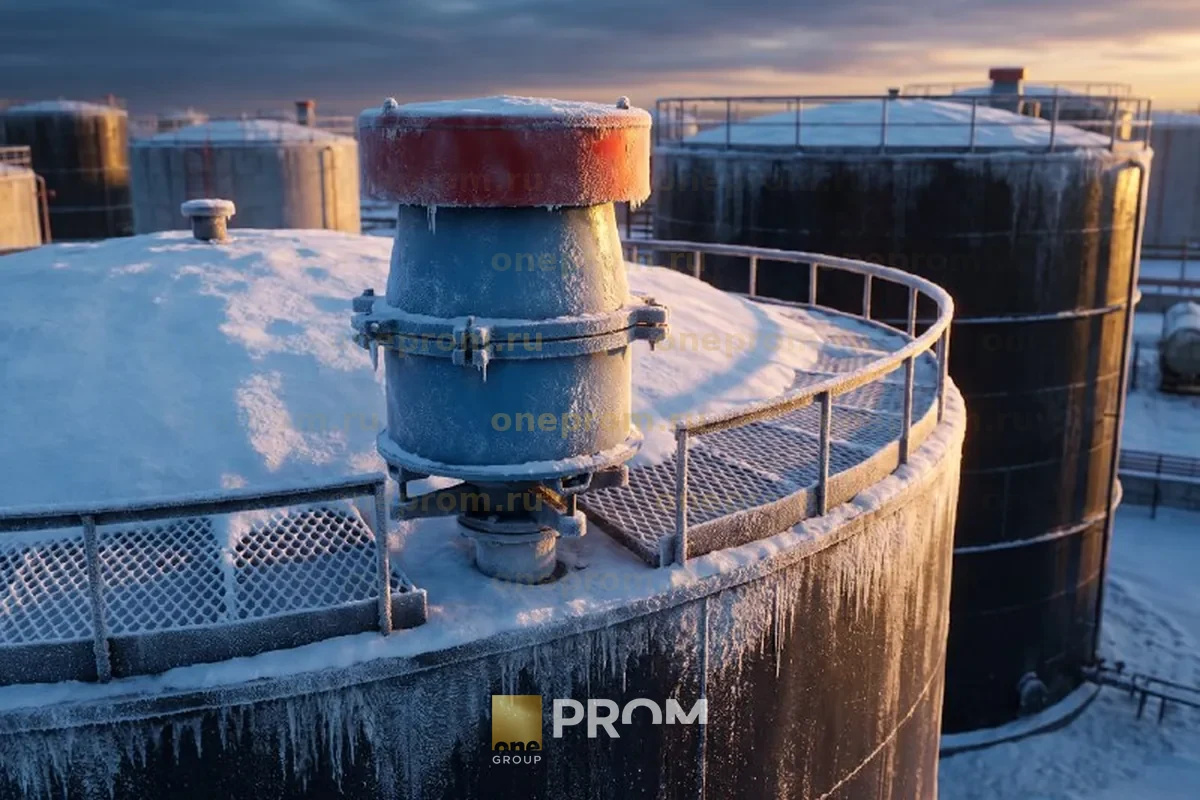
Tank Breather Valve: How It Works
Why a tank breathes, how the valve works, which types exist and how to choose by flow capacity.
Reading time: 5 min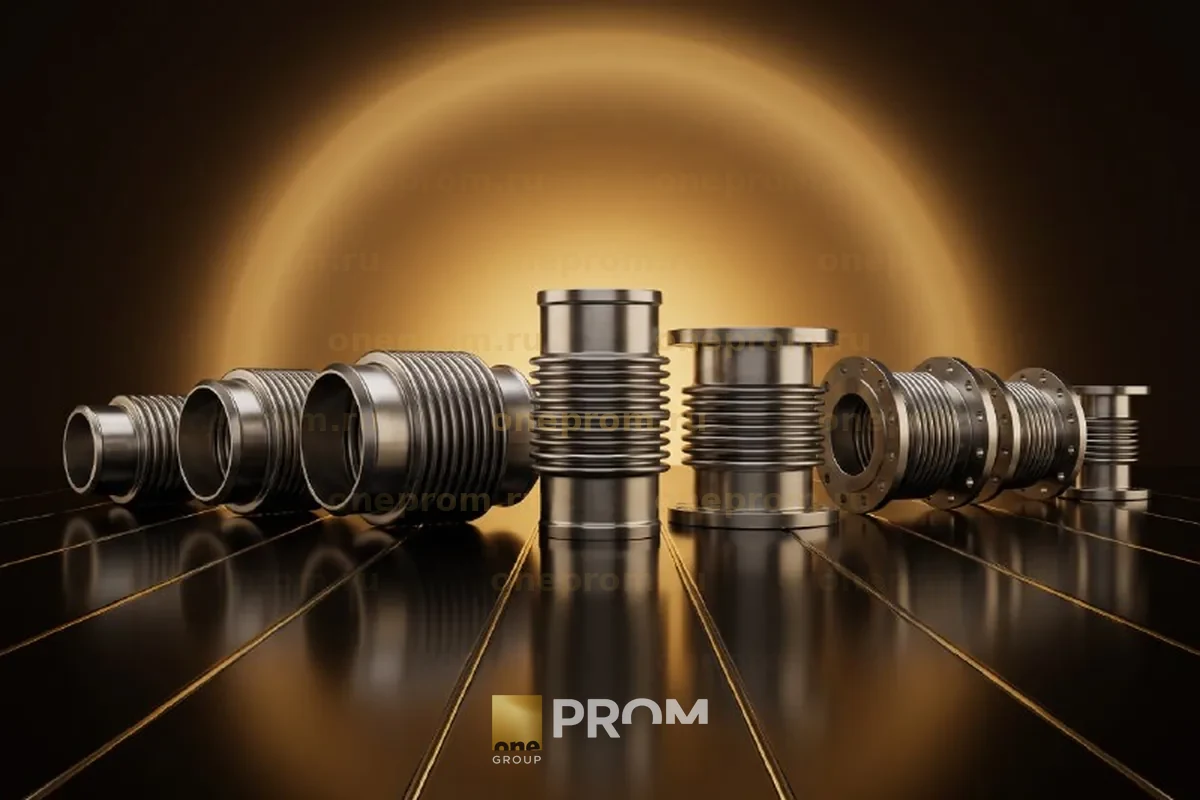
How to Choose a Bellows Expansion Joint: 7 Parameters
Type, diameter, pressure, movement, medium, end connection and cycle life — and what to send the supplier for accurate selection.
Reading time: 6 min
How to Calculate Thermal Expansion of a Pipeline
The ΔL = α·L·Δt formula, coefficients for different materials, a worked example and an online calculator for expansion joint movement.
Reading time: 6 min
Why Bellows Fail: 8 Causes of Expansion Joint Failure
Excessive movement, torsion, supports, corrosion, vibration and installation errors — plus a checklist to avoid them.
Reading time: 7 min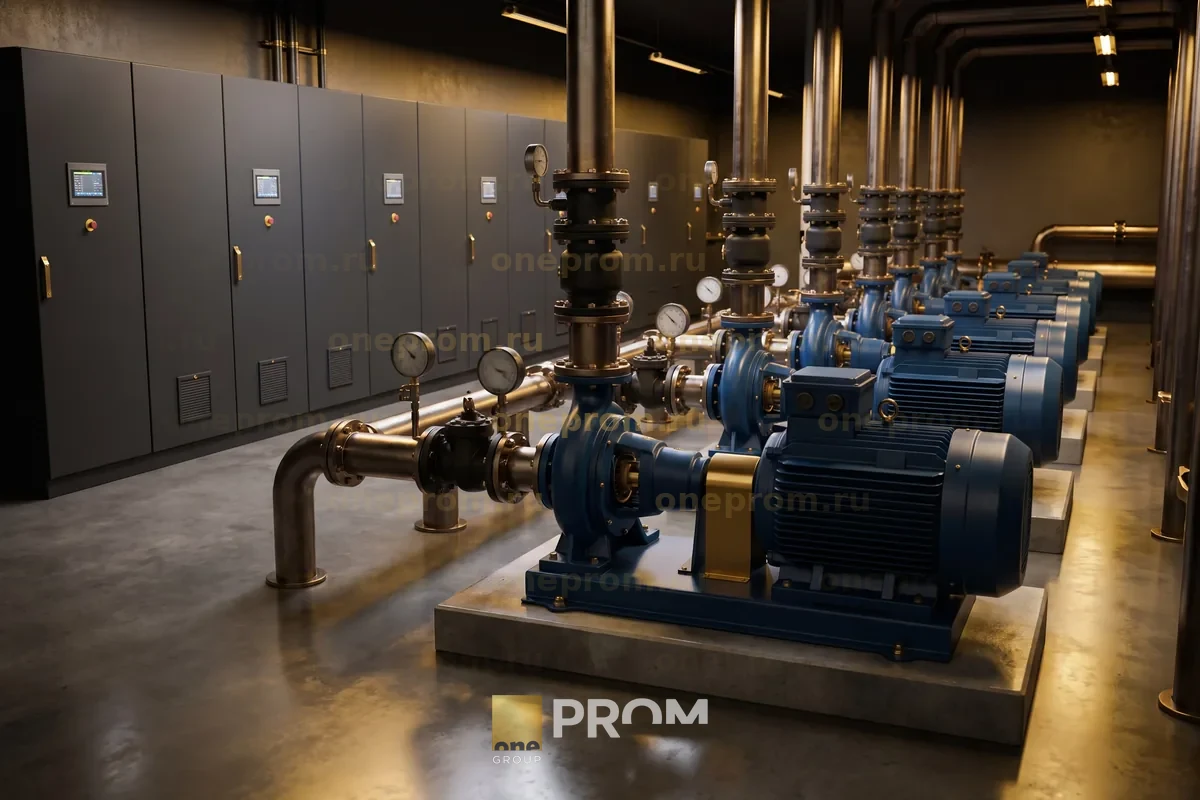
Variable Frequency Drive on a Pump: How Much It Saves
Why power drops with the cube of speed, a worked example and a savings and payback calculator.
Reading time: 6 min