

1. Current matters more than power
A drive is sized by its rated output current: it must be no less than the rated current on the motor nameplate. Power in kilowatts is a guide, but motors of the same power can draw different current depending on pole count, efficiency and power factor.
Example: a 55 kW motor at 400 V draws about 100 A. A drive with a rated current of 100 A or more in the required duty is suitable.

2. Load type: normal or heavy duty
Most drives have two ratings — for light and heavy loads.
| Duty | Load | Overload, typically |
|---|---|---|
| Normal (ND) | Pumps, fans — torque rises with speed | about 110–120% for 60 s |
| Heavy (HD) | Conveyors, compressors, mixers, crushers — high torque right at start | about 150% for 60 s |
For heavy loads, a drive one frame size larger is often chosen. Exact overload figures are in the manufacturer catalogue.
3. Supply voltage
- 3 × 380–480 V — the main option for industry;
- 1 × 220 V input — for small motors when there is no three-phase supply;
- 690 V — for large motors when the design provides for it.
4. Installation conditions
The rated current of a drive is specified for certain conditions. In harsher conditions it is derated according to manufacturer tables:
- temperature — the rating is usually given up to 40 °C; a hot room needs a margin or cabinet ventilation;
- altitude — above 1,000 m air cools less effectively, and current is derated;
- enclosure rating — IP20–IP21 for cabinet mounting, IP54–IP55 for local mounting in dust and moisture;
- cold — at unheated sites in the North, the cabinet needs heating: in severe frost the drive will not start.
5. Options
- Input reactor or harmonic filter — reduces mains interference and protects the drive from voltage surges;
- Output reactor, dU/dt or sine filter — for long motor cables, to protect the winding insulation; the allowable cable length without a filter is stated by the manufacturer;
- Braking resistor — for fast stopping of high-inertia machines and for hoists;
- EMC filter — if sensitive electronics are nearby.
6. Hazardous areas
The drive is installed outside the hazardous area, and an explosion-proof motor must be approved for operation from a variable frequency drive — this is stated in its documentation.
What to send for selection
- Motor nameplate: power, current, voltage, speed.
- The machine: pump, fan, conveyor, compressor.
- Duty: how often it starts and stops, whether fast stopping is needed.
- Cable length from the cabinet to the motor.
- Installation: cabinet or local, temperature, whether the room is heated.
- Control: push buttons, pressure sensor, automation system.
Send us the motor nameplate and a description of the machine — we will select the drive and options.
Variable frequency drives catalogueFAQ
Can a VFD be selected by motor power alone?
What happens if the drive is undersized?
Can one drive control several motors?
Does a pump need a braking resistor?
Will a drive work in an unheated room in winter?
Read next
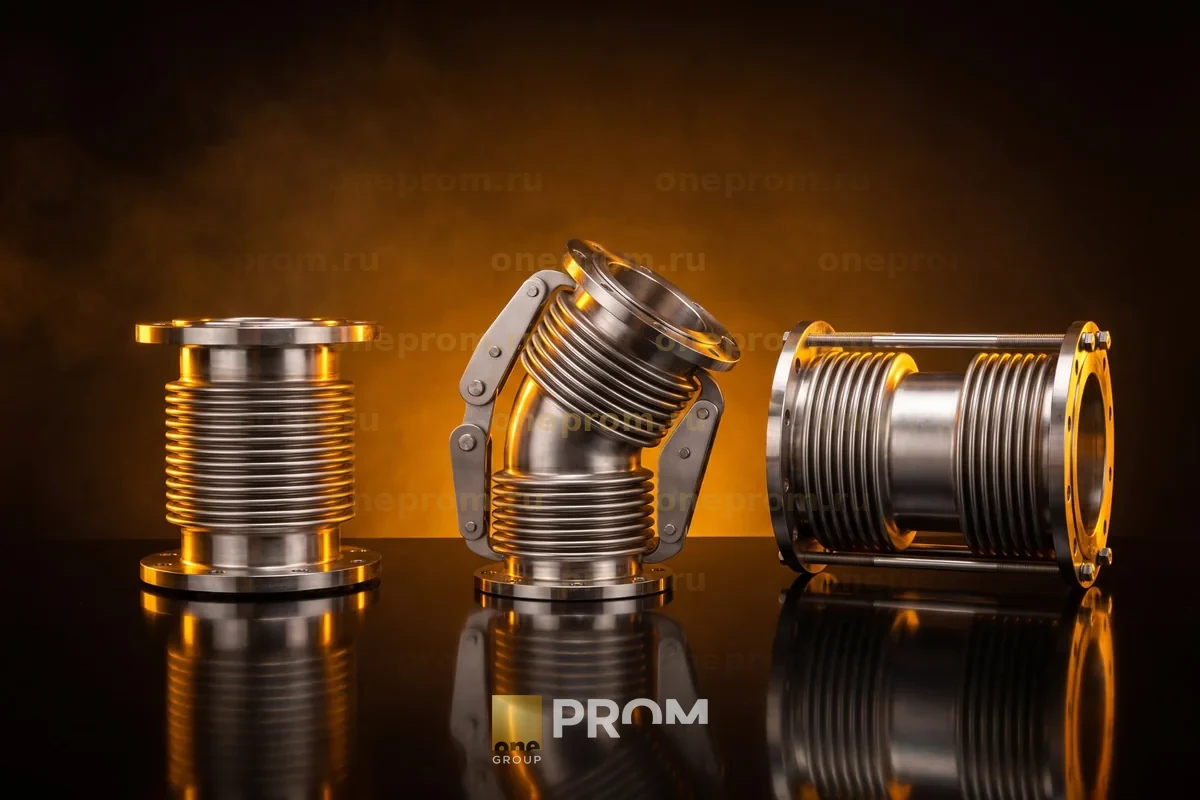
Axial, angular or lateral expansion joint: how to choose
An axial joint takes movement along the pipe, an angular joint permits controlled rotation, and a lateral joint takes transverse displacement. Anchors, guides and pressure.
Reading time: 6 min
Metal at −50 °C: Cold Brittleness and Steels for the North
Why steel breaks like glass in frost, and how to choose metal for northern pipelines and equipment.
Reading time: 6 min
PSR Tank Sampler: How It Works and How to Choose
How to take a composite sample of a petroleum product across the full tank height without climbing onto the roof.
Reading time: 5 min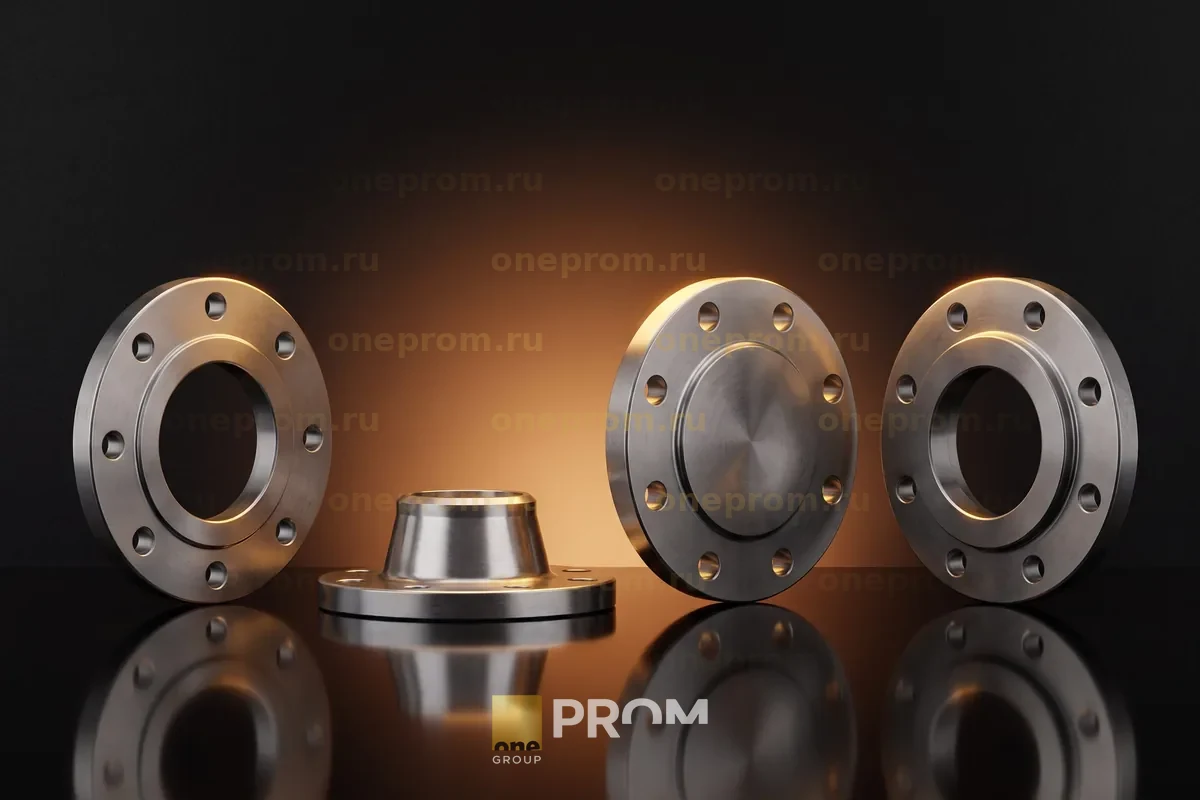
Flanges per GOST 33259: Types and Sealing Faces
Plate or weld neck, face B or tongue and groove: flange types and sealing faces explained.
Reading time: 6 min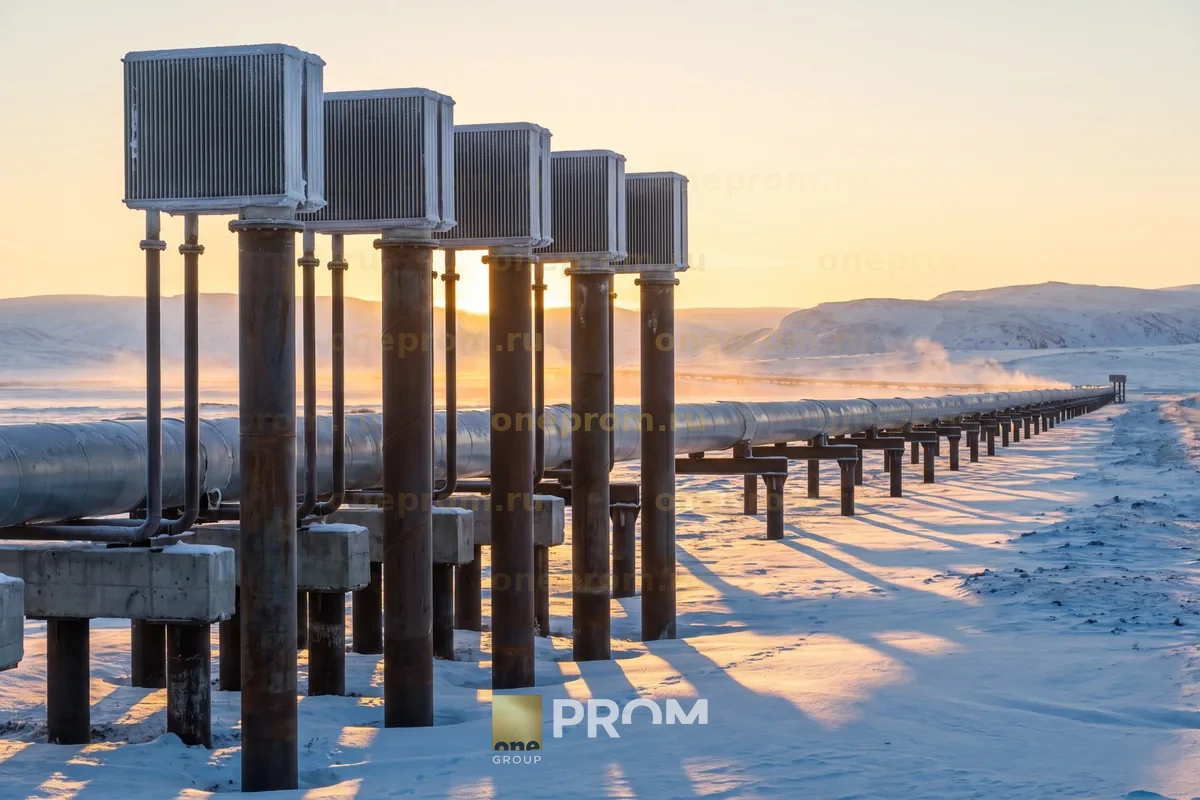
Ground thermosiphons: passive cooling without power
Passive thermosiphons transfer ground heat to cold outdoor air by evaporation and condensation. They operate mainly in winter; foundation design requires thermal calculations.
Reading time: 6 min
Two-Stage or Modulating Burner: Which to Choose
Stages, progressive and smooth control: how the output control method affects fuel consumption and boiler life.
Reading time: 5 min
Soft Fuel Tank for the North: How to Choose
Fabric, cold resistance, volume, fittings and site — what to check so a soft tank survives an Arctic winter.
Reading time: 6 min
Bellows Expansion Joint Installation: 7 Common Mistakes
Misalignment, forgotten shipping restraints, welding current through the convolutions and 4 more mistakes — plus a correct installation checklist.
Reading time: 6 min
Pipeline Identification Colors per GOST 14202: Cheat Sheet
Green for water, red for steam, yellow for gas. Identification colors, warning rings and painting rules.
Reading time: 5 min
Pipelines on Permafrost: How They Are Built in the North
Why pipes in the North stand on supports, how thermosiphons work and how to compensate a range from −50 to +130 °C.
Reading time: 6 min
Tank Breather Valve: How It Works
Why a tank breathes, how the valve works, which types exist and how to choose by flow capacity.
Reading time: 5 min
How to Choose a Bellows Expansion Joint: 7 Parameters
Type, diameter, pressure, movement, medium, end connection and cycle life — and what to send the supplier for accurate selection.
Reading time: 6 min
How to Calculate Thermal Expansion of a Pipeline
The ΔL = α·L·Δt formula, coefficients for different materials, a worked example and an online calculator for expansion joint movement.
Reading time: 6 min
Why Bellows Fail: 8 Causes of Expansion Joint Failure
Excessive movement, torsion, supports, corrosion, vibration and installation errors — plus a checklist to avoid them.
Reading time: 7 min
Variable Frequency Drive on a Pump: How Much It Saves
Why power drops with the cube of speed, a worked example and a savings and payback calculator.
Reading time: 6 min