
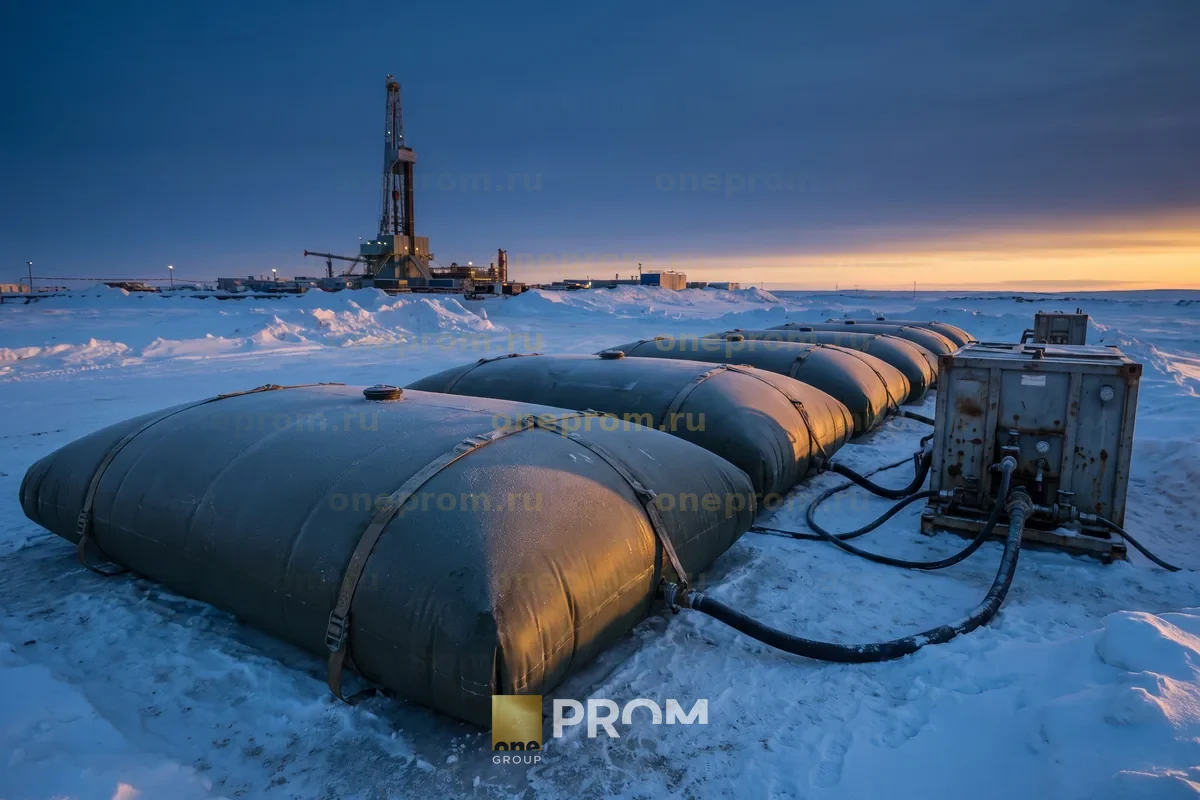
When a soft tank beats a steel one
- No roads or heavy equipment — the tank travels rolled up in one truck or by helicopter.
- Speed matters — the depot is set up in hours, with no foundation, crane or welding.
- Temporary site — drilling rig, construction, camp: after the work the tank is rolled up and taken away.
- Seasonal supply — fuel arrives by ice road and is stored until the next season.
Fabric: PVC or TPU
The shell is the key part: it determines service life and behaviour in frost.
| Parameter | PVC fabric | TPU fabric (polyurethane) |
|---|---|---|
| Fuel resistance | Limited, depends on formulation | High — diesel, gasoline, oils |
| Behaviour in frost | Stiffens, may crack when folded | Stays flexible in severe frost |
| Wear resistance | Medium | High |
| Price | Lower | Higher |
For fuel in the North, TPU is chosen. The key figure is the cold resistance stated in the data sheet: for the Arctic it should be −60 °C or better.

Volume and number of tanks
Soft tanks are made from a few cubic metres to hundreds. One large tank is cheaper, but several medium ones are more reliable: if one is damaged the depot keeps working, and different fuels can be stored separately.
Fittings
- Fill and discharge connections matching your hoses and pumps.
- Breather valve — to release vapours during filling and warming.
- Grounding — mandatory for fuel: static electricity builds up during transfer.
- Repair kit: patches and adhesive of the same fabric.
- Protective ground sheet under the bottom.
Site preparation
The tank is placed on a level site free of stones and sharp objects, on a ground sheet. A berm or bund is made around it so that, if damaged, fuel does not reach soil and rivers. Deploying in severe frost should follow the manufacturer's instructions: cold fabric is stiffer, and sharp folds are dangerous.
We will select soft tanks for your volume, fuel and climate.
Tank equipmentFAQ
Can diesel fuel be stored in a soft tank?
Can a soft tank withstand Arctic frost?
Must a soft tank be grounded?
How long does deployment take?
What to do if the fabric is damaged?
Read next

Axial, angular or lateral expansion joint: how to choose
An axial joint takes movement along the pipe, an angular joint permits controlled rotation, and a lateral joint takes transverse displacement. Anchors, guides and pressure.
Reading time: 6 min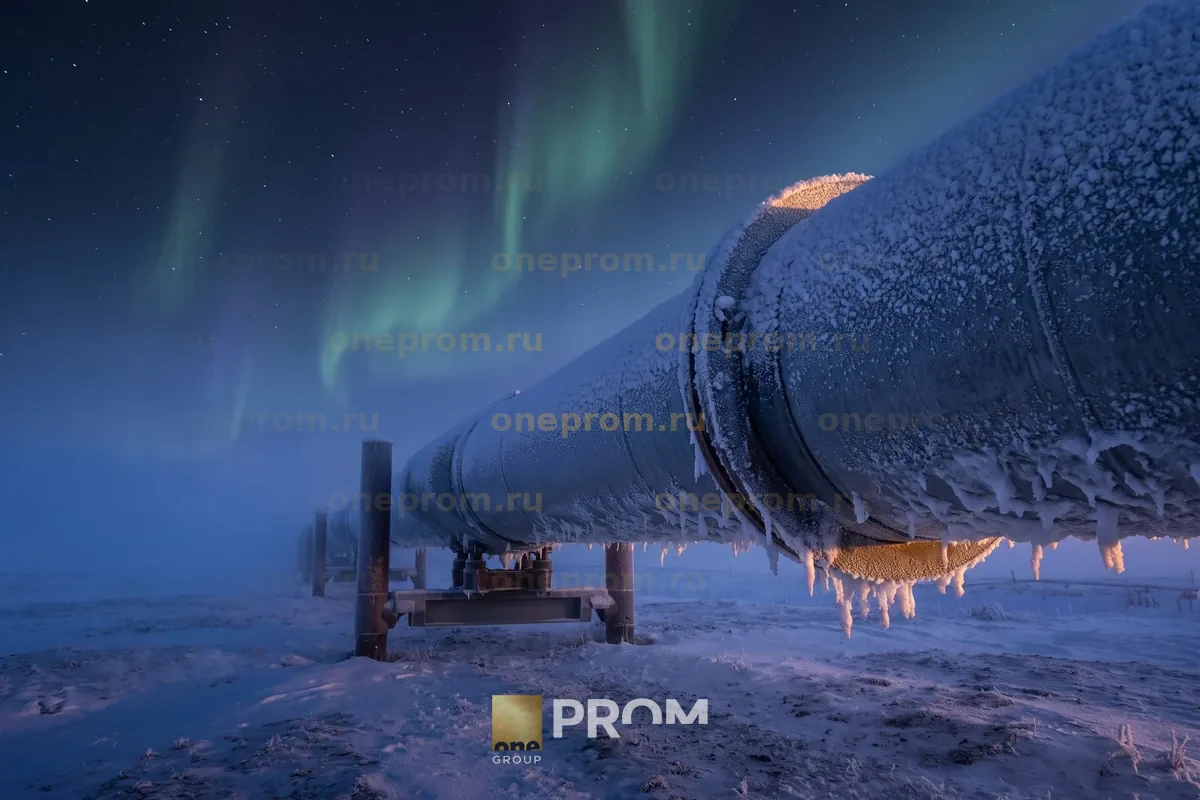
Metal at −50 °C: Cold Brittleness and Steels for the North
Why steel breaks like glass in frost, and how to choose metal for northern pipelines and equipment.
Reading time: 6 min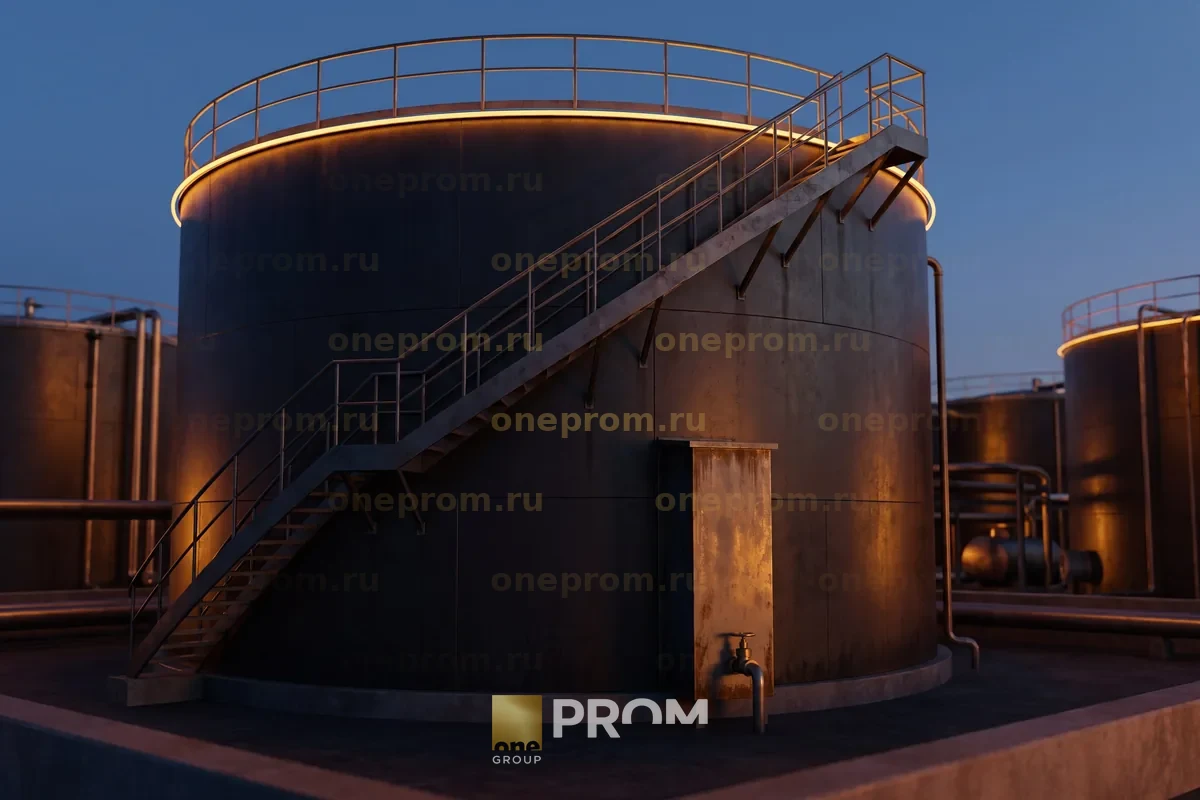
PSR Tank Sampler: How It Works and How to Choose
How to take a composite sample of a petroleum product across the full tank height without climbing onto the roof.
Reading time: 5 min
Flanges per GOST 33259: Types and Sealing Faces
Plate or weld neck, face B or tongue and groove: flange types and sealing faces explained.
Reading time: 6 min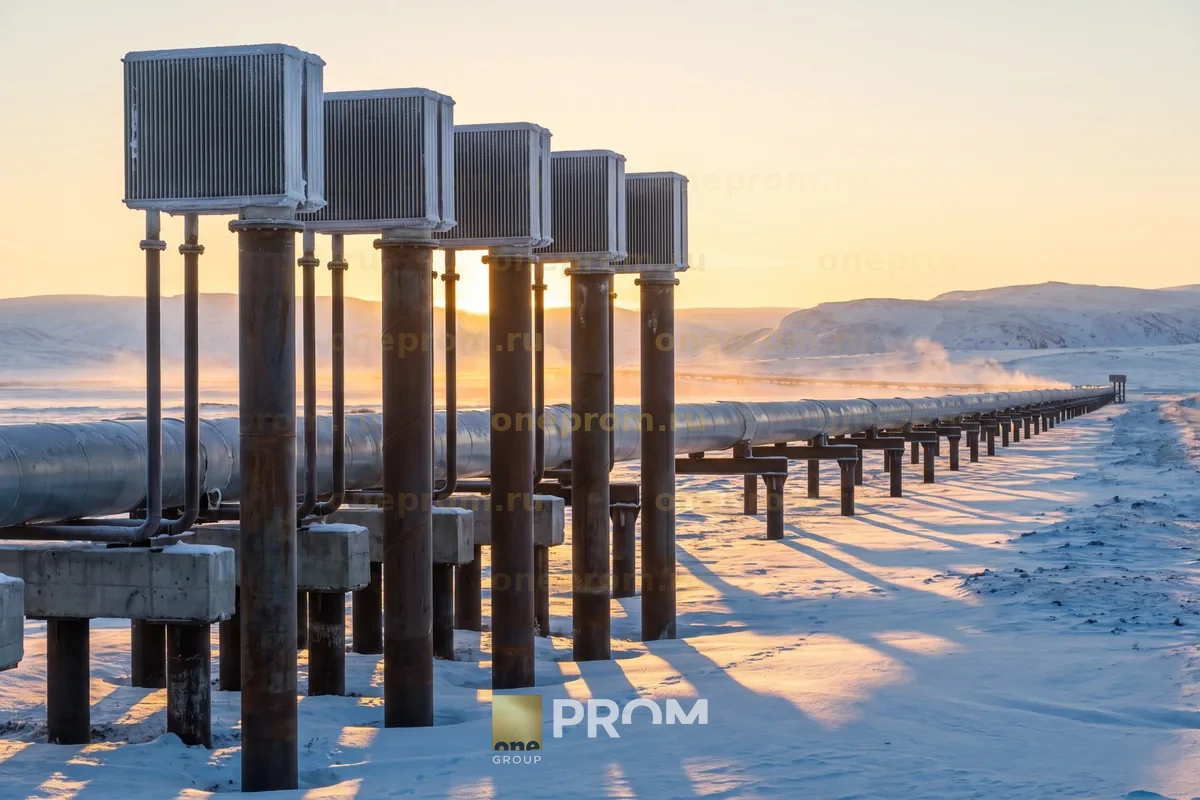
Ground thermosiphons: passive cooling without power
Passive thermosiphons transfer ground heat to cold outdoor air by evaporation and condensation. They operate mainly in winter; foundation design requires thermal calculations.
Reading time: 6 min
Two-Stage or Modulating Burner: Which to Choose
Stages, progressive and smooth control: how the output control method affects fuel consumption and boiler life.
Reading time: 5 min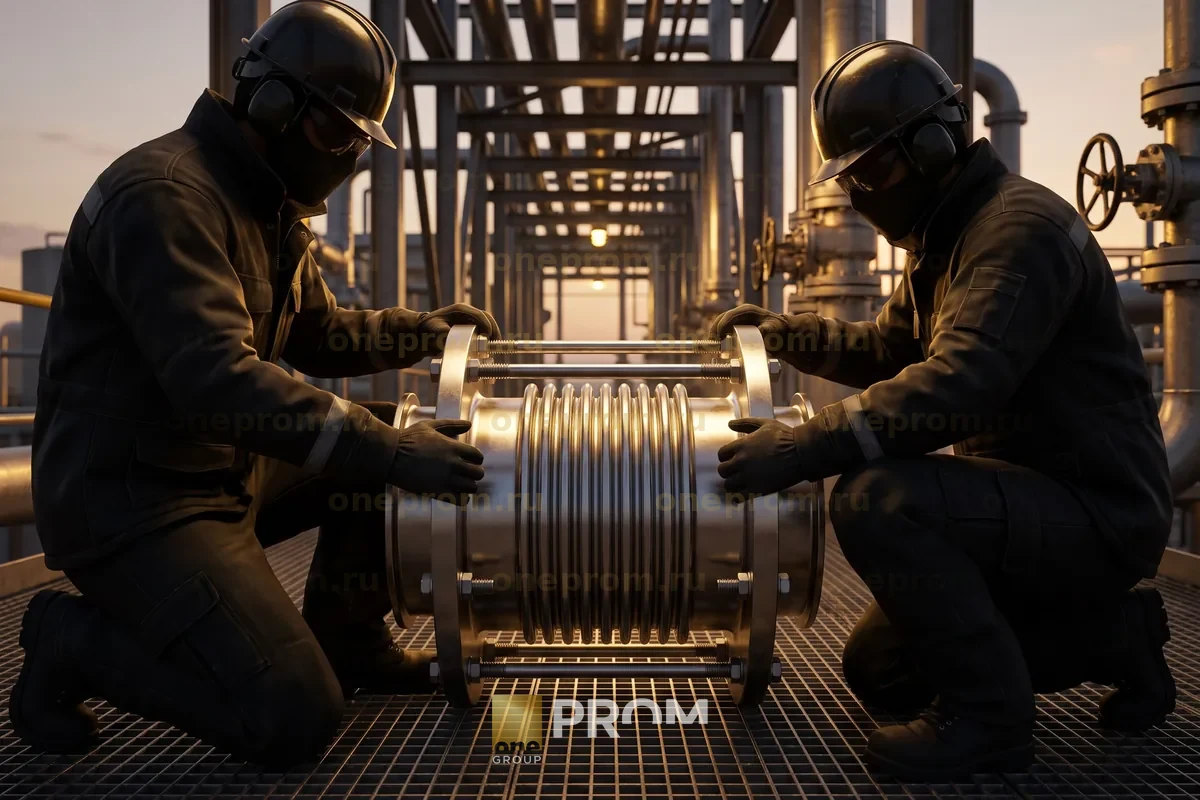
Bellows Expansion Joint Installation: 7 Common Mistakes
Misalignment, forgotten shipping restraints, welding current through the convolutions and 4 more mistakes — plus a correct installation checklist.
Reading time: 6 min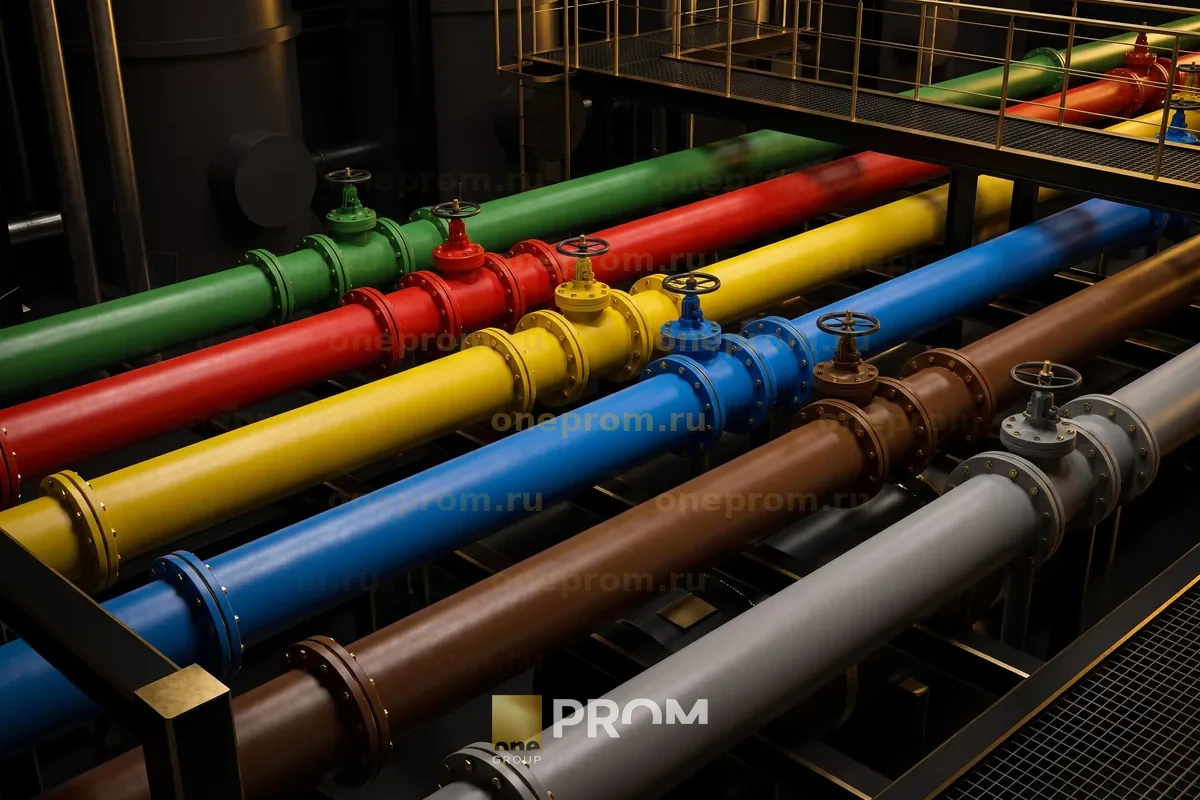
Pipeline Identification Colors per GOST 14202: Cheat Sheet
Green for water, red for steam, yellow for gas. Identification colors, warning rings and painting rules.
Reading time: 5 min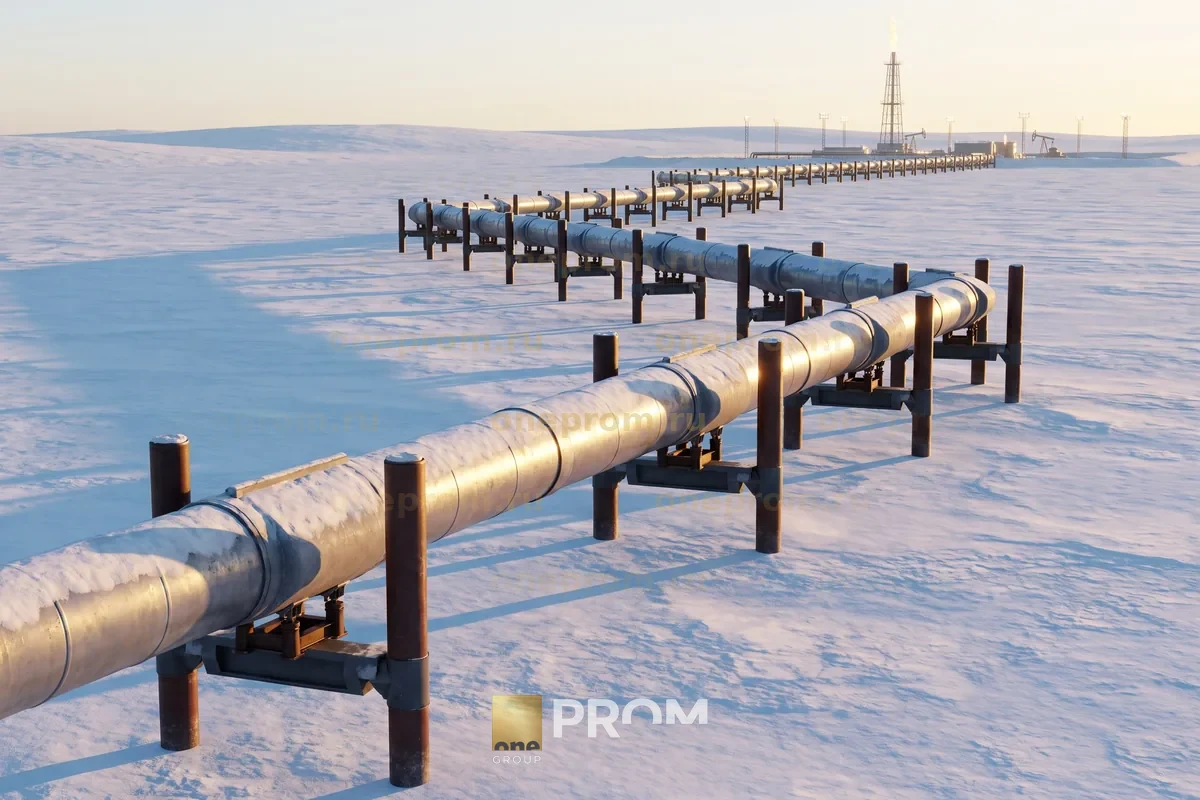
Pipelines on Permafrost: How They Are Built in the North
Why pipes in the North stand on supports, how thermosiphons work and how to compensate a range from −50 to +130 °C.
Reading time: 6 min
How to Size a Variable Frequency Drive
Why drives are sized by current, not kilowatts, normal and heavy duty, installation conditions and the options you need.
Reading time: 6 min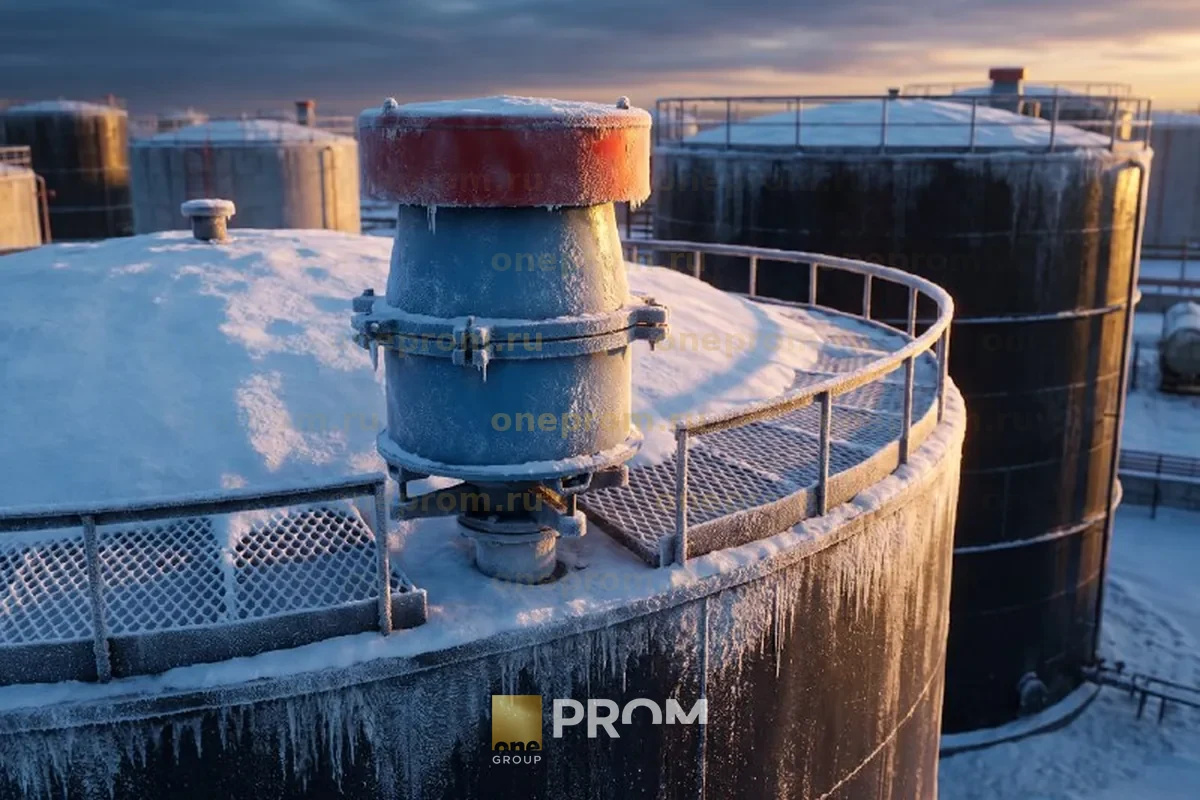
Tank Breather Valve: How It Works
Why a tank breathes, how the valve works, which types exist and how to choose by flow capacity.
Reading time: 5 min
How to Choose a Bellows Expansion Joint: 7 Parameters
Type, diameter, pressure, movement, medium, end connection and cycle life — and what to send the supplier for accurate selection.
Reading time: 6 min
How to Calculate Thermal Expansion of a Pipeline
The ΔL = α·L·Δt formula, coefficients for different materials, a worked example and an online calculator for expansion joint movement.
Reading time: 6 min
Why Bellows Fail: 8 Causes of Expansion Joint Failure
Excessive movement, torsion, supports, corrosion, vibration and installation errors — plus a checklist to avoid them.
Reading time: 7 min
Variable Frequency Drive on a Pump: How Much It Saves
Why power drops with the cube of speed, a worked example and a savings and payback calculator.
Reading time: 6 min